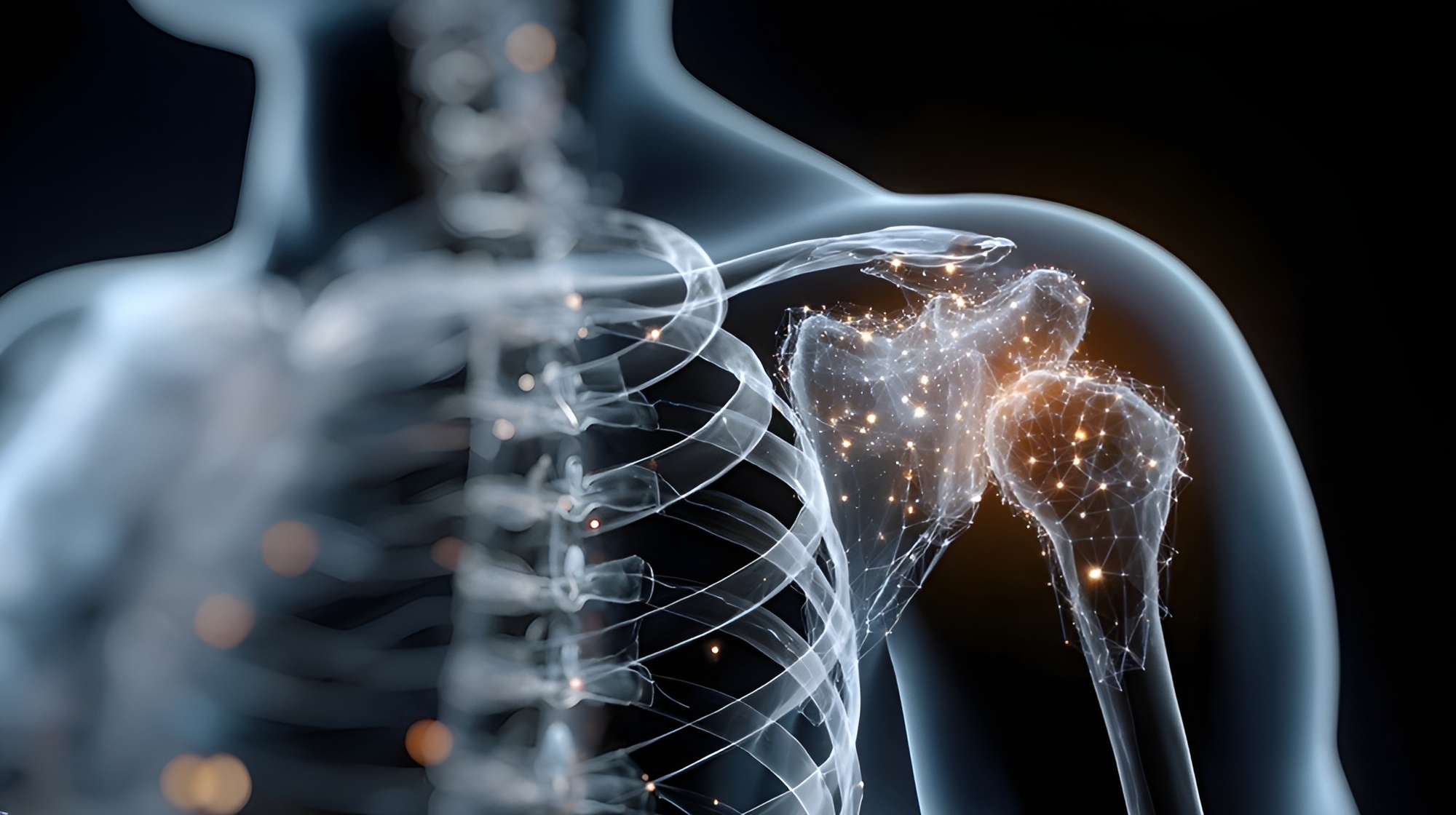

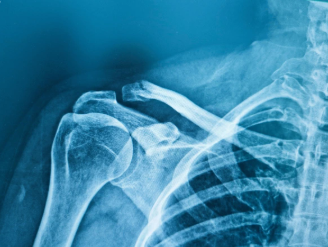
Common Shoulder & Clavicle Fracture Symptoms & Causes
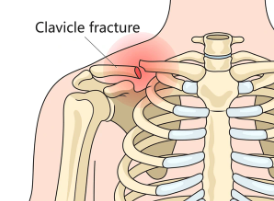
Shoulder and clavicle fracture symptoms include immediate severe pain at the injury site following trauma, visible deformity or bump particularly with clavicle fractures, swelling and bruising developing over hours, inability to move the arm or shoulder, weakness and loss of function, grinding or crepitus with attempted movement, tenderness with palpation over the fracture site, holding the arm protectively against the body, and occasionally numbness or tingling if nerves are affected. Clavicle fractures often show obvious deformity with skin tenting. Proximal humerus fractures cause severe pain with arm movement and extensive bruising tracking down the arm and chest. Open fractures with bone protruding through skin require emergency treatment. Causes include falls on outstretched hand (FOOSH injuries)—the most common mechanism causing both clavicle and proximal humerus fractures; direct trauma to shoulder from falls, sports injuries, or motor vehicle accidents; high-energy trauma like motorcycle crashes causing scapula fractures; osteoporotic fractures in elderly from low-energy falls; birth trauma causing clavicle fractures in newborns; and sports injuries particularly in contact sports, cycling, and skiing.
Schedule Your ConsultationWho's at risk for Shoulder & Clavicle Fractures?
Several factors increase risk of sustaining shoulder and clavicle fractures. Understanding risk factors enables prevention strategies:
Age and Osteoporosis
+Older adults, particularly women over 65, face dramatically increased risk of proximal humerus fractures due to osteoporosis. Bone density decreases with age, making bones fragile and susceptible to fracture from minor falls. Postmenopausal women without adequate calcium, vitamin D, or osteoporosis treatment are highest risk. Young children also sustain clavicle fractures during birth or from falls during active play.
High-Risk Activities and Sports
+Athletes participating in contact sports (football, hockey, rugby), cycling, skiing, skateboarding, and horseback riding face elevated fracture risk from falls and collisions. Motor vehicle accidents and motorcycle crashes cause high-energy fractures including scapula fractures. Construction workers, roofers, and those working at heights risk falls causing fractures. Weekend warriors without proper conditioning or technique face increased injury risk.
Previous Fractures and Bone Health
+Individuals with previous fractures, particularly fragility fractures from minimal trauma, have higher risk indicating underlying bone weakness. Medical conditions affecting bone health including hyperparathyroidism, chronic kidney disease, malabsorption disorders, prolonged corticosteroid use, and certain cancers increase fracture susceptibility. Smoking and excessive alcohol consumption weaken bones and impair healing.
Fall Risk Factors
+Factors increasing fall risk include balance disorders, vision problems, neurological conditions like Parkinson's disease, medications causing dizziness or sedation, home hazards (loose rugs, poor lighting, stairs), lack of assistive devices when needed, and muscle weakness from deconditioning. Elderly individuals living alone without fall prevention strategies face highest risk. Winter weather with icy conditions increases fall frequency.
Shoulder & Clavicle Fracture Prevention

Prevention focuses on reducing fall risk and maintaining bone health. For older adults, assess and treat osteoporosis with bone density testing, calcium and vitamin D supplementation, and medications when indicated. Implement fall prevention strategies including removing home hazards (secure rugs, improve lighting, install grab bars), using assistive devices (canes, walkers) when balance compromised, regular vision and hearing checkups, reviewing medications with physician to minimize those causing dizziness, and participating in balance and strengthening exercises like tai chi. Maintain strong bones through weight-bearing exercise, adequate nutrition with calcium and protein, avoiding smoking and excessive alcohol, and treating underlying conditions affecting bone health. For athletes and active individuals, use proper protective equipment, maintain good conditioning and technique, avoid overtraining and fatigue increasing injury risk, and progress gradually in new activities. Prevent birth-related clavicle fractures through appropriate obstetric care. Workplace safety measures prevent falls from heights. Winter precautions including appropriate footwear, salt/sand on walkways, and avoiding icy conditions reduce cold-weather fractures. Once a fracture occurs, prevention is no longer possible—focus shifts to optimal treatment ensuring proper healing.
How are Shoulder & Clavicle Fractures Diagnosed?
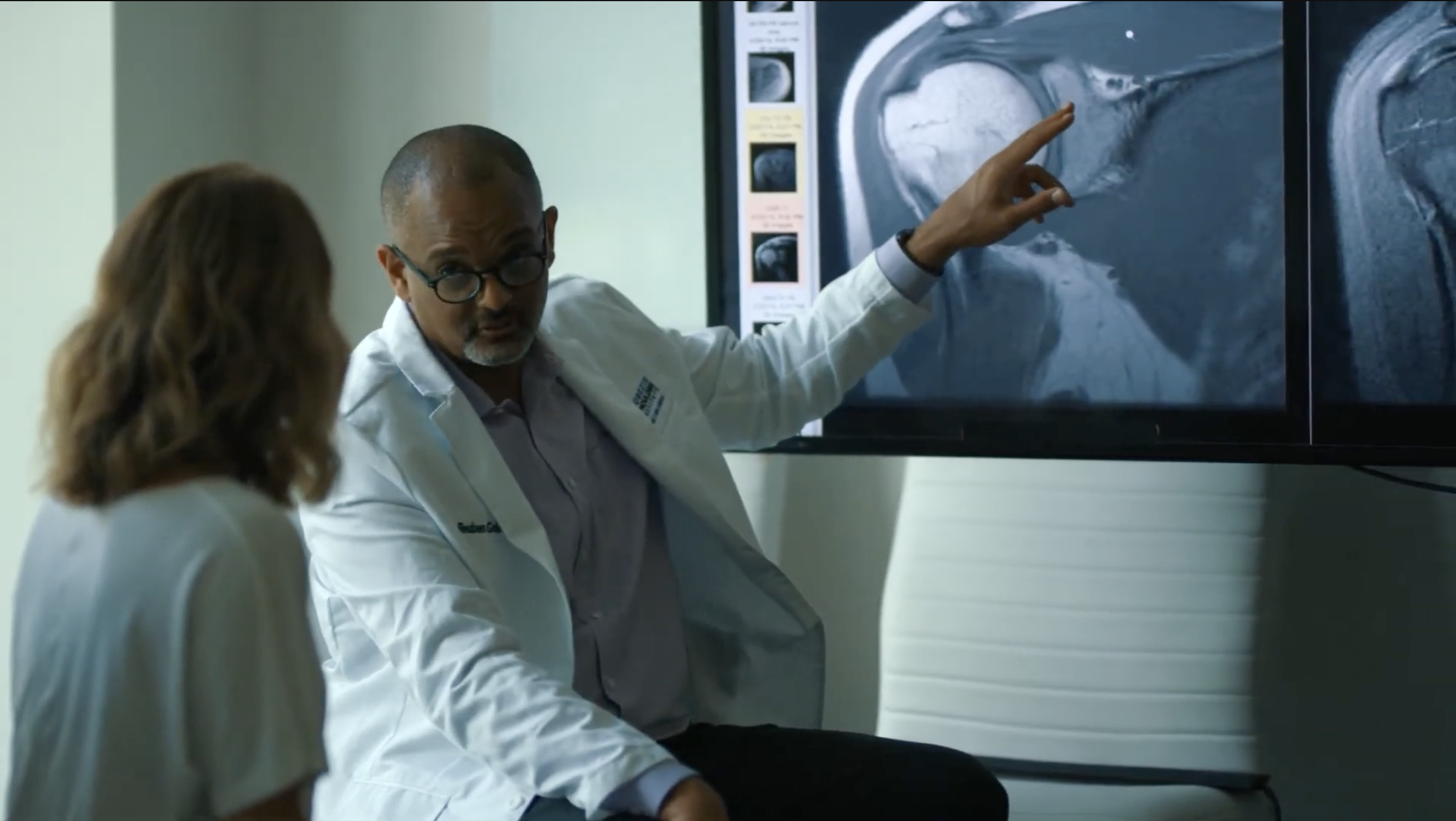
Diagnosis begins with comprehensive history documenting injury mechanism (fall, direct trauma, high-energy accident), symptom onset (immediate pain typical), previous shoulder injuries or surgeries, medical conditions affecting bones, and medications particularly osteoporosis treatments or corticosteroids. Physical examination includes inspection for deformity, swelling, or skin compromise (open fracture), palpation localizing tenderness and crepitus, gentle assessment of arm and shoulder motion, neurovascular examination checking pulses, sensation, and motor function (nerve and vessel injuries can accompany fractures), and assessment for associated injuries.
X-rays are essential for diagnosis showing fracture location (clavicle, proximal humerus, scapula), fracture pattern (simple, comminuted, displaced), number of fracture fragments, displacement and angulation degree, and associated injuries. Multiple views (AP, lateral, scapular Y for shoulder) ensure complete assessment. CT scan provides detailed evaluation for complex proximal humerus fractures showing number and position of fragments, humeral head involvement and impaction, glenoid fractures, and surgical planning for complex reconstruction. MRI rarely needed acutely but may evaluate rotator cuff tears associated with fractures, particularly in younger patients. Classification systems (Neer for proximal humerus, Allman for clavicle) guide treatment based on fracture characteristics. Repeat imaging during healing monitors fracture union and identifies complications like displacement or nonunion.
What treatment is best for Shoulder & Clavicle Fractures?
Treatment depends on fracture type, displacement, patient age and activity level, bone quality, and functional demands. Many shoulder and clavicle fractures heal well without surgery. Treatment is individualized based on comprehensive evaluation and shared decision-making.
Immobilization and Conservative Treatment
+Non-displaced or minimally displaced fractures often heal with immobilization using slings for proximal humerus fractures or figure-8 braces for clavicle fractures. Pain management with medications, ice application, and gradual motion exercises as healing permits. Most clavicle fractures (80-85%) and many proximal humerus fractures heal without surgery. Elderly low-demand patients often treated conservatively even with displacement accepting some deformity for functional outcome.
Clavicle Fracture Fixation
+Displaced midshaft clavicle fractures in active individuals, shortened fractures (>2cm shortening), severely displaced lateral clavicle fractures, and open fractures benefit from surgical fixation. Plate and screw fixation or intramedullary rod placement restore anatomy and allow earlier motion. Surgery reduces malunion and nonunion rates, improves shoulder strength and endurance, and provides better cosmetic outcome in displaced fractures.
Proximal Humerus Fracture Fixation
+Displaced 2-part, 3-part, and some 4-part proximal humerus fractures in active patients benefit from surgical fixation using locked plating, intramedullary nailing, or percutaneous pinning depending on fracture pattern. Surgery restores anatomy, allows earlier motion, and improves functional outcomes. Goal is anatomic reduction and stable fixation enabling early rehabilitation preventing stiffness.
Fracture Replacement
+Severely comminuted 4-part proximal humerus fractures in elderly patients, fractures with high avascular necrosis risk, and fractures in osteoporotic bone where fixation won't hold may require hemiarthroplasty or reverse total shoulder replacement. Replacement provides immediate stability, allows early motion, and provides predictable pain relief when reconstruction is not feasible. Decision depends on age, bone quality, and fracture pattern.
Shoulder & Clavicle Fracture Treatment in Cleveland, Ohio

Cleveland Shoulder Institute specializes in comprehensive treatment of all shoulder and clavicle fractures. Our trauma-trained shoulder specialists have expertise managing simple to complex fractures using both conservative and advanced surgical techniques. We utilize high-resolution imaging including CT scans for surgical planning and 3D reconstruction for complex cases.
Treatment plans are individualized based on fracture characteristics, patient factors, and functional goals. Conservative management with close follow-up monitoring ensures proper healing for appropriate fractures. For fractures requiring surgery, we utilize latest fixation techniques including anatomic locking plates, intramedullary devices, and minimally invasive approaches. We have particular expertise managing complex proximal humerus fractures and fracture-dislocations. For elderly patients with poor bone quality, we offer fracture arthroplasty using reverse shoulder replacement. Our comprehensive approach includes expert reduction and fixation, early rehabilitation protocols preventing stiffness, and close monitoring for complications. Located in Cleveland with urgent evaluation capabilities for acute fractures and comprehensive follow-up ensuring optimal healing.
Schedule Your ConsultationMeet our Shoulder Fracture Team

Dr. Gobezie is a fellowship-trained shoulder and elbow surgeon with advanced training in shoulder trauma and reconstruction. He has extensive experience treating all types of shoulder and clavicle fractures from simple to complex patterns requiring advanced reconstruction techniques. Dr. Gobezie stays current through active participation in trauma research, teaching commitments, and attendance at specialized shoulder trauma conferences.
Supporting Dr. Gobezie are board-certified anesthesiologists, experienced surgical teams trained in fracture fixation techniques, specialized physical therapists understanding fracture rehabilitation and prevention of post-traumatic stiffness, and dedicated medical staff. This collaborative approach ensures accurate fracture classification, appropriate treatment selection whether conservative or surgical, expert surgical technique when needed, and structured rehabilitation maximizing healing and functional recovery. Our team understands the significant impact of shoulder fractures on independence and quality of life, providing compassionate care while offering advanced treatment ensuring optimal outcomes.
What Our Patients Say About Fracture Treatment
Real experiences from patients who successfully treated shoulder and clavicle fractures:
"I broke my clavicle in a cycling accident. Dr. Gobezie explained my options thoroughly—surgery versus conservative treatment. We chose surgery because of the displacement. Three months later I'm back cycling with full strength. The surgical fixation was the right choice for my active lifestyle."
— David Anderson
"My mother broke her shoulder in a fall at 78. Dr. Gobezie was realistic about treatment options. We chose conservative treatment with physical therapy. She healed well and regained good function for daily activities. Appreciate his honest guidance considering her age and goals."
— Susan Martinez
"I sustained a complex shoulder fracture in a car accident. Dr. Gobezie performed surgery with plates and screws. The recovery took time but his expertise showed—my shoulder healed anatomically and I have excellent function now. Very grateful for his skill managing this complicated fracture."
— James Wilson
Shoulder & Clavicle Fracture Frequently Asked Questions
How long does it take for shoulder and clavicle fractures to heal?
+Healing time varies by fracture type and treatment. Clavicle fractures typically heal in 6-12 weeks with immobilization, 8-12 weeks after surgical fixation. Proximal humerus fractures require 8-12 weeks for bone healing, with full recovery including strength restoration taking 4-6 months. Older patients and smokers may require longer healing. Scapula fractures typically heal in 6-8 weeks. Follow-up X-rays confirm healing progress.
Do all shoulder and clavicle fractures need surgery?
+No, many fractures heal well without surgery. Non-displaced or minimally displaced fractures, fractures in older low-demand patients, and fractures with acceptable alignment are often treated conservatively. Surgery is recommended for significantly displaced fractures, unstable patterns, fractures in young active individuals, open fractures, and fractures with nerve or vessel injury. Your surgeon evaluates multiple factors determining optimal treatment.
What are the risks of not having surgery for a displaced fracture?
+Risks of conservative treatment for significantly displaced fractures include malunion (healing in poor position causing deformity, weakness, and pain), nonunion (failure to heal requiring delayed surgery), shoulder weakness and reduced endurance, unsightly bump particularly with clavicle fractures, and higher rates of post-traumatic arthritis. For appropriate fractures, these risks may be acceptable. Your surgeon discusses risks and benefits of both treatment options.
Will I develop arthritis after a shoulder fracture?
+Post-traumatic arthritis risk depends on fracture severity and treatment. Simple non-displaced fractures rarely cause arthritis. Fractures extending into joint surfaces, comminuted fractures, malunited fractures healing in poor alignment, and fractures with avascular necrosis have higher arthritis risk. Anatomic reduction and stable fixation when indicated minimize arthritis development. Most patients with appropriately treated fractures avoid significant arthritis.
Can I prevent future fractures after healing?
+Yes, prevention strategies reduce future fracture risk. Treat osteoporosis if present with medications and supplements. Implement fall prevention measures including home safety modifications, balance exercises, vision correction, and medication review. Maintain bone health through weight-bearing exercise, adequate calcium and vitamin D, avoiding smoking and excessive alcohol. Use protective equipment for high-risk activities. For elderly individuals, fracture liaison services coordinate osteoporosis treatment preventing subsequent fractures.