

Common Failed Rotator Cuff Repair Symptoms & Causes

Primary symptoms include persistent or recurrent pain after initial post-operative improvement, weakness that fails to improve or returns after initial strength gains, difficulty with overhead activities and daily tasks, inability to sleep on the affected shoulder, catching or popping sensations with movement, and failure to achieve expected functional recovery despite appropriate rehabilitation. Some patients never achieve pain relief following surgery suggesting failure to heal or alternative pain sources. Others experience good initial recovery followed by sudden return of symptoms suggesting acute re-tear.
Causes of repair failure include poor tissue quality with degenerative tendon failing to heal to bone, tear size with massive tears having limited healing potential, tear retraction making anatomic repair difficult, muscle fatty infiltration indicating chronic tear with irreversible muscle changes, patient factors including age over 65, smoking, diabetes, and poor nutrition impairing healing, inadequate repair construct with insufficient anchors or sutures, technical errors during surgery, premature return to activities exceeding healing tissue strength, non-compliance with post-operative restrictions, and new trauma during healing phase.
Schedule Your ConsultationWho's at risk for Failed Rotator Cuff Repair?
Several factors increase risk of rotator cuff repair failure. Understanding these risk factors helps set realistic expectations and optimize healing:
Tear Characteristics
+Large and massive tears exceeding 3-5cm have significantly higher failure rates due to limited tissue for repair and increased tension. Chronic tears with retraction are difficult to mobilize to anatomic position. Full-thickness tears with complete tendon detachment heal less reliably than partial tears. Tears involving multiple tendons compound healing challenges.
Tissue Quality and Muscle Changes
+Poor tendon quality with degeneration and thinning fails to hold sutures and heal reliably. Muscle fatty infiltration visible on MRI indicating chronic tear with muscle atrophy predicts poor healing. Goutallier grade 3-4 fatty infiltration dramatically reduces healing potential. Advanced age correlates with degenerative tissue changes reducing repair success.
Patient Health Factors
+Age over 65 shows decreased healing capacity. Smoking dramatically impairs tendon healing through reduced blood flow and oxygen delivery. Diabetes affects healing through metabolic dysfunction and vascular changes. Poor nutrition lacking adequate protein impairs tissue repair. Steroid use and certain medications interfere with healing. Workers compensation status paradoxically shows worse outcomes in some studies.
Surgical and Rehabilitation Factors
+Inadequate surgical technique with insufficient anchors, poor suture technique, or failure to achieve secure fixation increases failure risk. Premature aggressive rehabilitation exceeding tissue healing capacity can disrupt repair. Non-compliance with post-operative restrictions including premature return to work or activities. New trauma during healing phase including falls or lifting heavy objects tears healing tendon.
Failed Rotator Cuff Repair Prevention
Prevention focuses on optimizing healing conditions and avoiding repair disruption. Pre-operative optimization includes smoking cessation at least 6-8 weeks before surgery—smoking dramatically impairs healing, diabetes control with hemoglobin A1c below 7%, nutritional optimization with adequate protein intake, and management of other medical conditions. Choose an experienced shoulder surgeon—surgical technique and repair construct quality significantly impact outcomes. Surgeons performing high volumes of rotator cuff repairs achieve better results.
Post-operative compliance with restrictions is critical. Follow prescribed immobilization period typically 4-6 weeks allowing initial healing before motion begins. Avoid premature overhead reaching or lifting. Progress rehabilitation gradually under supervision—aggressive early motion can disrupt healing while inadequate motion causes stiffness. Physical therapy compliance following evidence-based protocols balances healing protection with motion restoration. Avoid falls and trauma during healing phase—protect shoulder during transfers and activities. Continue sling use as prescribed particularly at night. Report unusual pain or weakness immediately as early re-tear detection enables prompt intervention.
Biological augmentation strategies may improve healing in high-risk cases including platelet-rich plasma, bone marrow aspirate concentrate, or acellular dermal matrix scaffolds though evidence remains evolving. Once repair fails, prevention opportunities have passed—focus shifts to understanding failure mechanism and determining optimal revision strategy.
How is Failed Rotator Cuff Repair Diagnosed?
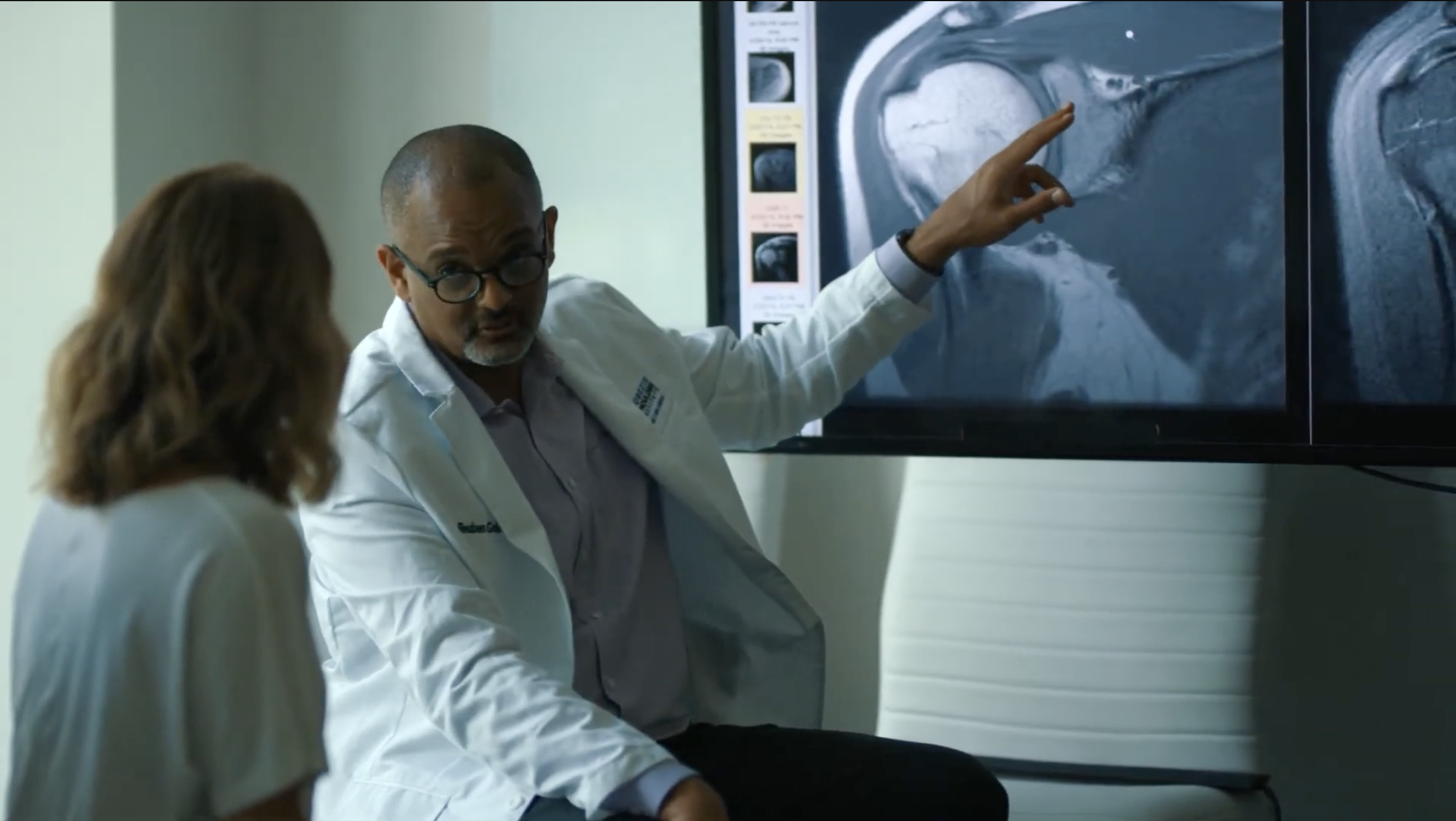
Diagnosis begins with detailed history documenting initial tear characteristics and repair details, post-operative course including recovery pattern and therapy compliance, symptom onset whether persistent or recurrent, current pain location and quality, functional limitations, and whether trauma occurred. Review operative reports and pre-operative imaging when available. Physical examination includes inspection for muscle atrophy, assessment of active and passive range of motion, strength testing of rotator cuff and deltoid, palpation identifying pain sources, and special tests evaluating specific pathology.
MRI is essential for evaluating repair integrity showing tendon continuity or re-tear, assessing muscle quality including fatty infiltration progression, evaluating anchor position and bone quality, identifying alternative pain sources including stiffness or nerve issues, and comparing to pre-operative imaging documenting progression. MRI arthrography with intra-articular contrast improves sensitivity for detecting re-tears. Ultrasound provides dynamic assessment and can detect tendon defects though less comprehensive than MRI. X-rays evaluate anchor position, bone quality, and development of arthritis. CT scan assesses bone loss and anchor placement when revision surgery planned. Diagnostic injection into subacromial space or glenohumeral joint helps localize pain source—significant relief confirms rotator cuff pathology as pain generator versus other sources.
What treatment is best for Failed Rotator Cuff Repair?
Treatment depends on failure mechanism, repair integrity on imaging, symptom severity, functional goals, tissue quality, and patient factors. Not all failures require revision surgery—treatment is highly individualized based on comprehensive evaluation.
Conservative Management
+Many failed repairs respond to conservative treatment particularly when symptoms are tolerable and functional demands modest. Physical therapy emphasizes deltoid strengthening compensating for rotator cuff weakness, scapular stabilization, and motion maintenance. Activity modification avoiding provocative overhead activities. NSAIDs manage pain and inflammation. Corticosteroid injections provide temporary relief. Some patients achieve acceptable function despite anatomic failure particularly older low-demand individuals.
Revision Rotator Cuff Repair
+Revision repair is considered when good tissue quality remains, re-tear occurred from trauma or non-compliance rather than biological failure, tear is repairable to anatomic position, and patient motivated for prolonged recovery. Revision uses stronger repair constructs including double-row or transosseous-equivalent techniques, addresses any technical deficiencies from initial surgery, and may incorporate biological augmentation with patches or scaffolds. Success rates vary from 50-80% depending on tissue quality and tear characteristics. Recovery requires strict protection and gradual rehabilitation.
Tendon Transfer and Superior Capsular Reconstruction
+Irreparable tears with good remaining deltoid function may benefit from tendon transfers or superior capsular reconstruction. Latissimus dorsi or lower trapezius tendon transfers provide active external rotation and improve function when tissue quality precludes re-repair. Superior capsular reconstruction using graft tissue restores superior stability preventing humeral head escape. These procedures are most successful in younger patients without significant arthritis or fatty infiltration. Require extensive rehabilitation with gradual strengthening.
Reverse Shoulder Replacement
+Irreparable massive tears with persistent pain and functional limitation despite conservative treatment may require reverse total shoulder arthroplasty. This procedure reverses normal shoulder mechanics allowing deltoid to power arm elevation when rotator cuff absent. Best suited for patients over 65, those with significant fatty infiltration Goutallier grade 3-4, or presence of arthritis. Provides predictable pain relief and functional improvement. Most patients achieve overhead elevation though external rotation strength may remain limited. Excellent option when biologic reconstruction not feasible.
Failed Rotator Cuff Repair Treatment in Cleveland, Ohio
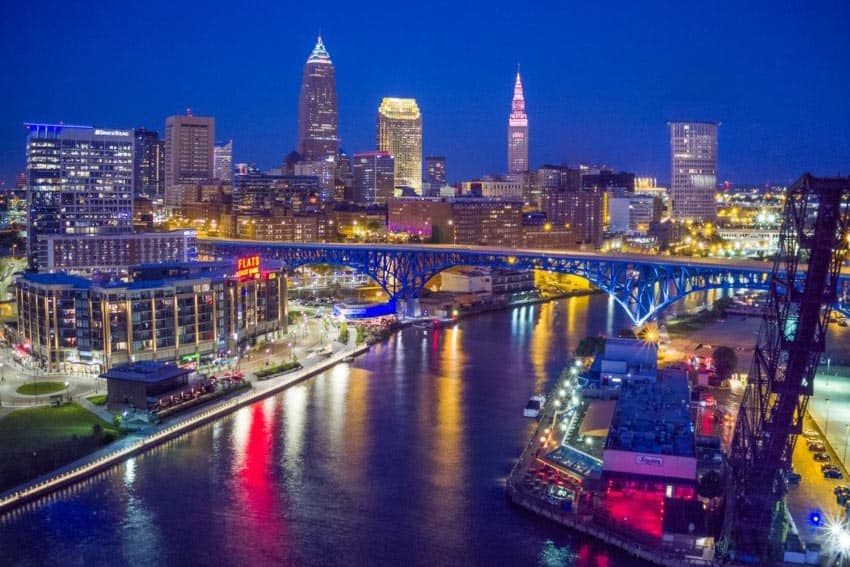
Cleveland Shoulder Institute specializes in managing complex failed rotator cuff repairs. Our fellowship-trained shoulder surgeons have extensive experience with revision cases and alternative reconstruction procedures. We provide comprehensive evaluation determining failure cause and optimal treatment strategy.
Our assessment includes detailed history and physical examination, high-resolution MRI with comparison to pre-operative imaging when available, review of operative reports understanding initial repair, and diagnostic injections localizing pain sources. Treatment options are individualized. Conservative management includes specialized physical therapy focusing on compensation strategies and pain control. For cases warranting surgery, we perform revision rotator cuff repair using advanced techniques and biological augmentation when appropriate, superior capsular reconstruction for younger patients with irreparable tears, tendon transfers when suitable, and reverse total shoulder arthroplasty for older patients or those with advanced fatty infiltration. Our experience managing complex shoulder pathology ensures comprehensive evaluation and optimal treatment selection. Located in Cleveland with resources for challenging revision cases requiring advanced techniques.
Schedule Your ConsultationMeet our Revision Rotator Cuff Team
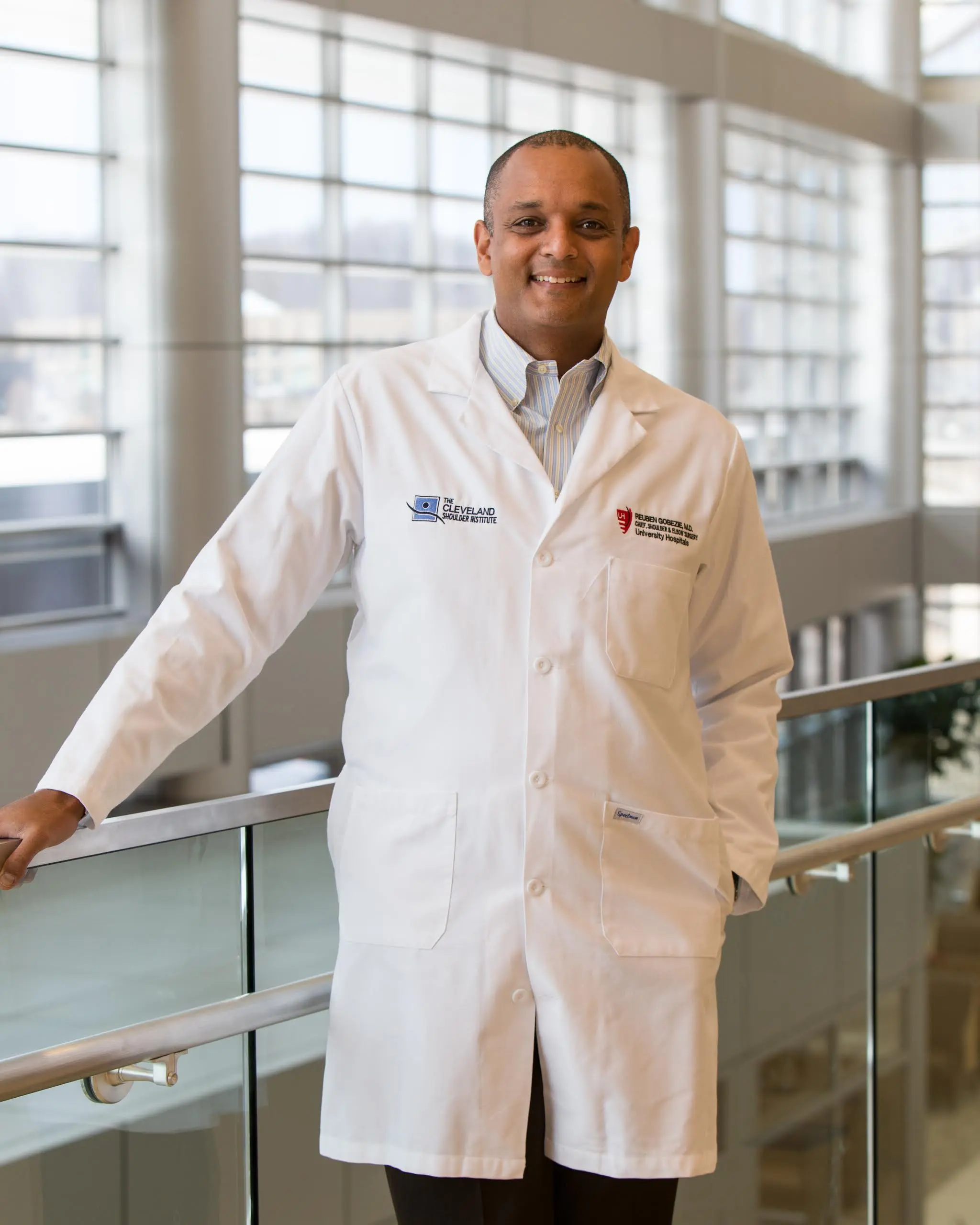
Dr. Gobezie is a fellowship-trained shoulder surgeon with specialized expertise in revision rotator cuff surgery and complex shoulder reconstruction. He has extensive experience with biologic augmentation techniques, tendon transfers, superior capsular reconstruction, and reverse shoulder arthroplasty. His surgical approach emphasizes thorough evaluation determining failure cause and selecting optimal technique for each patient.
Supporting Dr. Gobezie are board-certified anesthesiologists, experienced surgical teams trained in complex shoulder procedures, specialized physical therapists understanding revision surgery rehabilitation challenges, and dedicated medical staff. This collaborative approach ensures accurate diagnosis identifying failure mechanisms, realistic expectation setting acknowledging revision surgery challenges, expert surgical technique when procedures indicated, and structured rehabilitation supporting healing while restoring function. Our team understands failed rotator cuff repair significantly impacts patients who expected improvement from initial surgery, providing compassionate care while offering expertise managing these challenging cases.
What Our Patients Say About Revision Rotator Cuff Treatment
Real experiences from patients who successfully treated failed rotator cuff repairs:
"After my first rotator cuff repair failed, I was devastated. Dr. Gobezie thoroughly evaluated everything and performed revision surgery with biological augmentation. Two years later my shoulder is strong and pain-free. His expertise with complex cases gave me my life back."
— Robert K., Cleveland
"My massive tear failed initial repair. Dr. Gobezie recommended reverse shoulder replacement given my age and tissue quality. The decision was right—I have excellent pain relief and can do daily activities without limitation. Very grateful for his honest assessment and surgical skill."
— Margaret S., Lakewood
"I re-tore my repair six months after surgery. Dr. Gobezie explained why it happened and performed superior capsular reconstruction. Recovery was long but worth it. His experience with these complex problems made all the difference. Highly recommend for failed repairs."
— James T., Westlake
Failed Rotator Cuff Repair Frequently Asked Questions
Why did my rotator cuff repair fail?
+Repairs fail for multiple reasons including poor tissue quality preventing healing to bone, massive tear size with limited tissue, chronic tears with fatty infiltration, patient factors like smoking or diabetes impairing healing, inadequate surgical technique, premature return to activities, or new trauma during healing. Your surgeon evaluates imaging and surgical details determining likely cause guiding treatment decisions.
Can a failed rotator cuff repair be fixed?
+Many failed repairs can be revised successfully though outcomes are less predictable than primary repairs. Success depends on tissue quality, failure mechanism, tear characteristics, and patient factors. When tissue quality good and failure resulted from technical issues or trauma, revision repair may succeed. Irreparable tears may require alternative procedures including tendon transfers, superior capsular reconstruction, or reverse shoulder replacement. Your surgeon recommends optimal approach based on individual evaluation.
What are my options if my tear cannot be re-repaired?
+Several options exist for irreparable tears. Conservative management with therapy and injections may provide acceptable function for low-demand patients. Superior capsular reconstruction restores stability in younger patients. Tendon transfers provide function when appropriate anatomy exists. Reverse total shoulder replacement offers predictable pain relief and function for older patients or those with advanced fatty infiltration. Your surgeon discusses options based on age, activity level, and tissue quality.
How long does recovery take after revision surgery?
+Revision rotator cuff repair requires longer recovery than primary repairs—typically 6-12 months for full healing. Initial immobilization lasts 6-8 weeks protecting healing tissue. Therapy progresses cautiously over 4-6 months. Strengthening continues through one year. Superior capsular reconstruction and tendon transfers require similar prolonged rehabilitation. Reverse shoulder replacement allows faster motion recovery though strengthening takes 3-6 months. Patience and compliance are critical for revision surgery success.
Will my shoulder ever be normal after failed repair?
+Outcomes vary based on treatment and individual factors. Successful revision repairs can restore good function though may not match pre-injury state. Alternative procedures like tendon transfers and superior capsular reconstruction improve function significantly though not always to normal. Reverse shoulder replacement provides excellent pain relief and functional improvement for daily activities though with some motion and strength limitations. Many patients achieve satisfactory outcomes allowing return to most activities. Realistic expectations are important—your surgeon discusses likely outcomes based on your specific situation.