

Common Multidirectional Instability Symptoms & Causes
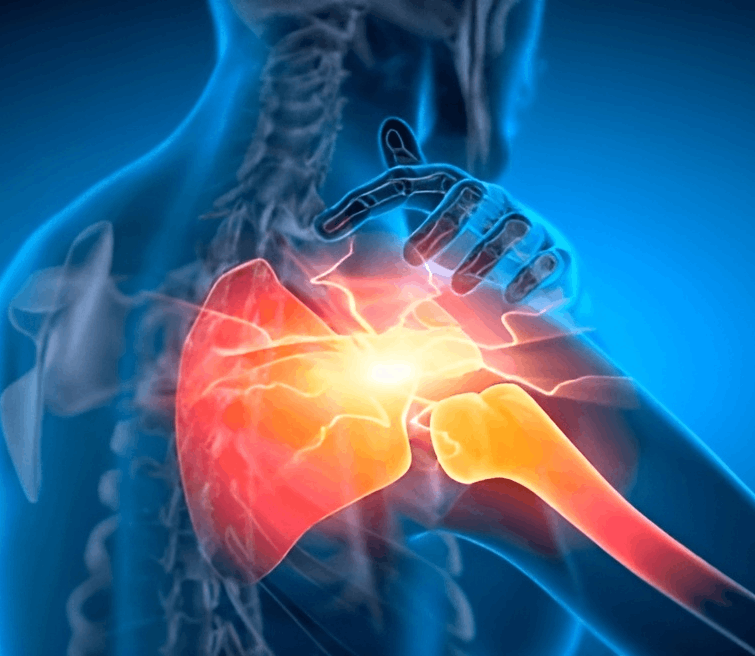
MDI symptoms are often vague and difficult to localize. Common complaints include generalized shoulder pain worsened by activity, sensation of looseness or shoulder "slipping" without complete dislocation, feeling of dead arm particularly after overhead activities, pain carrying heavy objects at the side, difficulty sleeping on the affected shoulder, fatigue with repetitive activities, decreased throwing velocity or control in athletes, and symptoms affecting both shoulders in many cases. Unlike traumatic instability, patients rarely experience complete dislocations but describe subluxation episodes where the shoulder partially slips then reduces spontaneously.
Causes include congenital capsular laxity where some individuals are born with loose connective tissue, generalized ligamentous laxity or hypermobility syndromes (Ehlers-Danlos, Marfan syndrome), repetitive overhead activities gradually stretching the capsule in swimmers, gymnasts, volleyball players, and throwers, poor neuromuscular control with weak dynamic stabilizers failing to compensate for lax static structures, and repetitive microtrauma without single traumatic event. Many patients have underlying hypermobility affecting multiple joints.
Schedule Your ConsultationWho's at risk for Multidirectional Instability?
Several factors increase susceptibility to multidirectional instability. Understanding these helps with identification and treatment:
Generalized Hypermobility
+Individuals with generalized joint laxity affecting multiple joints face highest MDI risk. Conditions including Ehlers-Danlos syndrome and benign joint hypermobility syndrome cause inherently loose connective tissue. Patients often demonstrate hyperextension at elbows and knees, excessive thumb-to-forearm flexibility, and laxity in multiple joints beyond the shoulder.
Overhead Athletes
+Swimmers face particularly high MDI rates from repetitive extreme shoulder motion gradually stretching the capsule. Gymnasts, volleyball players, water polo players, and throwing athletes develop laxity from repetitive overhead stress. Sports requiring extreme flexibility may select for athletes with underlying hypermobility who then develop symptomatic instability.
Age and Gender
+MDI typically affects young patients in their teens and twenties. Females are affected more frequently than males, possibly related to hormonal effects on connective tissue and higher rates of generalized hypermobility. Symptoms often develop during adolescence when athletic demands increase.
Poor Neuromuscular Control
+Weak rotator cuff and scapular stabilizers fail to dynamically compensate for capsular laxity. Poor proprioception (position sense) allows excessive translation. Muscle imbalances from sport-specific training may contribute. Those who have not developed adequate dynamic stability despite lax structures become symptomatic.
Multidirectional Instability Prevention
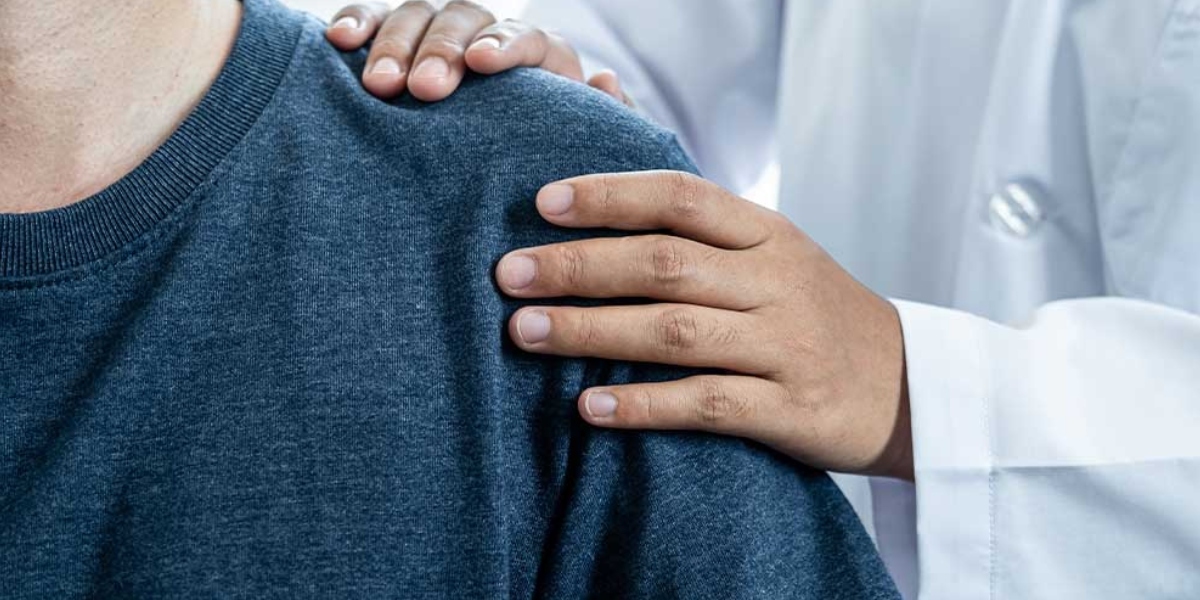
Prevention focuses on strengthening dynamic stabilizers to compensate for capsular laxity. Individuals with hypermobility should emphasize rotator cuff and scapular stabilizer strengthening from an early age. Regular strengthening programs including external rotation exercises, rows, and scapular retraction build the muscular support preventing symptomatic instability despite underlying laxity.
For overhead athletes, maintain balanced shoulder strengthening avoiding excessive flexibility training that further stretches already loose structures. Proper technique and training volume management prevents repetitive microtrauma worsening laxity. Address any shoulder pain promptly with evaluation and targeted rehabilitation. Core stability and kinetic chain training optimize force transmission reducing shoulder stress. Once symptomatic MDI develops, prevention is no longer possible—focus shifts to comprehensive rehabilitation and, if needed, surgical stabilization.
How is Multidirectional Instability Diagnosed?
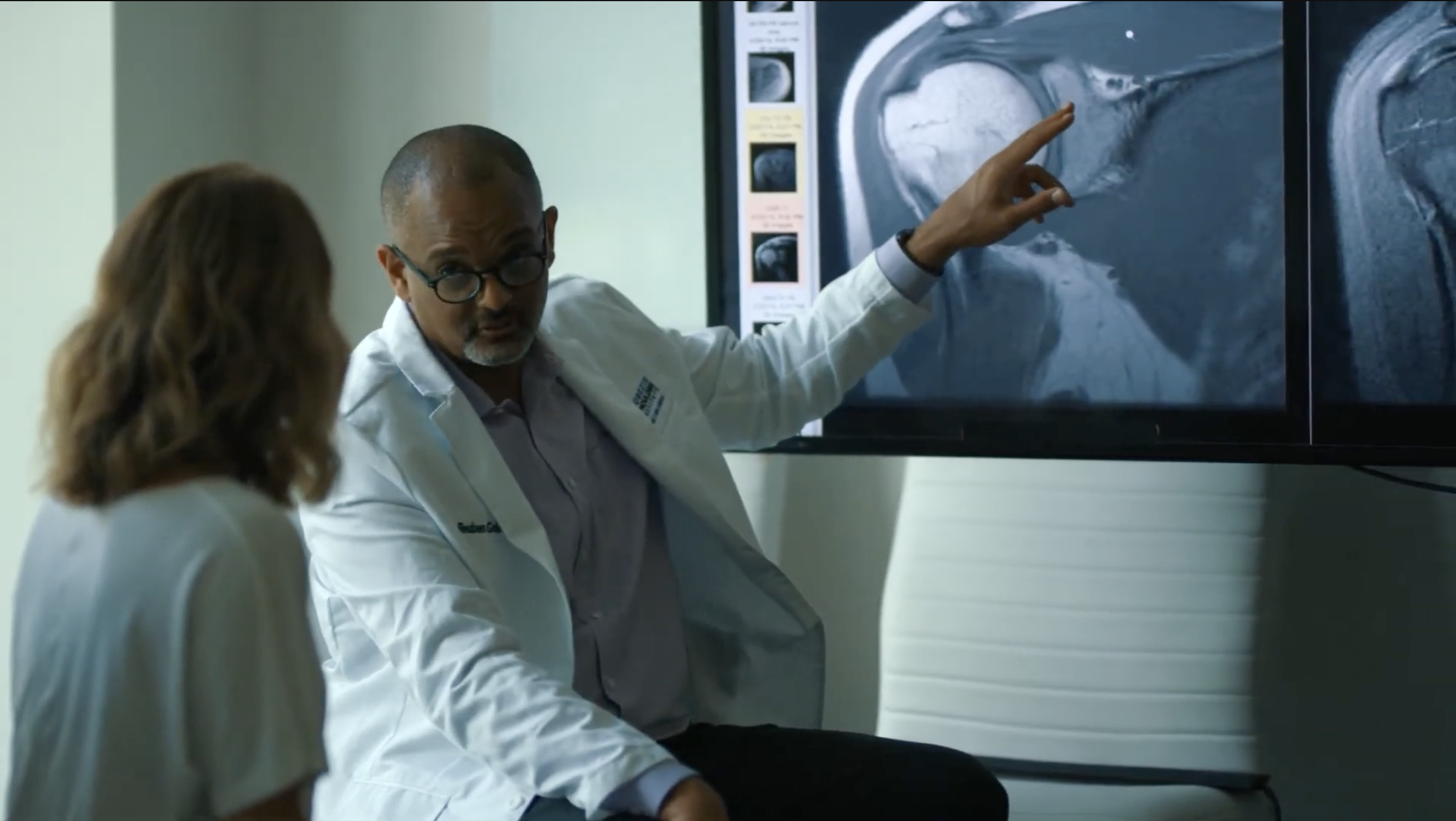
Diagnosis is primarily clinical based on history and physical examination. History documents symptom onset (typically gradual without specific trauma), bilateral involvement (common in MDI), activities worsening symptoms, episodes of subluxation or instability sensation, hypermobility in other joints, family history of connective tissue disorders, and sport demands. Physical examination evaluates laxity in multiple directions.
The sulcus sign tests inferior laxity—downward traction on the arm creates a visible sulcus (groove) below the acromion indicating capsular laxity. Anterior and posterior drawer tests assess translation in those directions. Generalized laxity assessment using Beighton score evaluates hypermobility at multiple joints. Load and shift testing quantifies translation. Importantly, the examiner compares to the opposite shoulder—bilateral laxity suggests constitutional hypermobility rather than traumatic injury. X-rays are typically normal but rule out bony abnormalities. MRI may show capacious capsule but often appears normal. MRI arthrography can demonstrate capsular volume but diagnosis remains clinical. The key finding is symptomatic laxity in multiple directions without significant traumatic history.
What treatment is best for Multidirectional Instability?
Treatment emphasizes rehabilitation first. Unlike traumatic instability where surgery is often needed, most MDI patients improve significantly with dedicated physical therapy. Surgery is reserved for failed conservative treatment after 6-12 months of appropriate rehabilitation.
Physical Therapy and Rehabilitation
+Comprehensive rehabilitation is cornerstone treatment with 80-90% of patients improving without surgery. Programs focus on rotator cuff strengthening particularly external rotators, scapular stabilizer strengthening including lower trapezius and serratus anterior, proprioceptive training improving position sense, core stability and kinetic chain exercises, and sport-specific training. Therapy requires 4-6 months minimum commitment. Success depends on patient dedication to exercises.
Activity Modification
+During rehabilitation, activity modification reduces symptoms. Athletes may need to temporarily reduce training volume or modify technique. Avoid positions of extreme motion that stress the loose capsule. Swimmers may need stroke modifications. Weightlifters should avoid positions placing shoulder in vulnerable positions. Gradual return to sport follows adequate strength gains.
Arthroscopic Capsular Plication
+Patients failing 6-12 months of dedicated rehabilitation may benefit from surgical stabilization. Arthroscopic capsular plication tightens the loose capsule by folding and suturing redundant tissue. The procedure addresses laxity in multiple directions. This is less invasive than open capsular shift and allows evaluation of labrum and other structures. Success rates are 80-90% in appropriately selected patients who have failed conservative treatment.
Open Capsular Shift
+Severe capsular laxity or failed arthroscopic treatment may require open capsular shift procedure. Through a larger incision, the surgeon cuts the capsule, removes redundant tissue, and repairs it in a tightened position. This provides more aggressive capsular reduction than arthroscopic plication. Reserved for significant laxity or revision cases. Post-operative rehabilitation is similar to arthroscopic approach.
Multidirectional Instability Treatment in Cleveland, Ohio

Cleveland Shoulder Institute specializes in comprehensive evaluation and treatment of atraumatic multidirectional instability. Our fellowship-trained shoulder specialists have extensive experience with complex instability patterns and understand the unique challenges of MDI treatment.
We provide thorough clinical evaluation including detailed laxity assessment, generalized hypermobility scoring, and evaluation for underlying connective tissue disorders. MRI confirms diagnosis and rules out associated pathology. Our treatment approach emphasizes dedicated physical therapy as first-line treatment with specialized therapists understanding MDI rehabilitation protocols. For patients failing conservative management, we offer arthroscopic capsular plication and open capsular shift when indicated. Located in Cleveland with comprehensive resources for complex instability requiring multidisciplinary approach.
Schedule Your ConsultationMeet our Shoulder Instability Team

Dr. Gobezie is a fellowship-trained shoulder and elbow surgeon with specialized expertise in complex shoulder instability including multidirectional instability. He understands the importance of comprehensive rehabilitation before considering surgery and has extensive experience with capsular plication techniques for patients failing conservative treatment.
Supporting Dr. Gobezie are specialized physical therapists experienced in MDI rehabilitation protocols emphasizing dynamic stabilizer strengthening and proprioceptive training, board-certified anesthesiologists, experienced surgical teams, and dedicated medical staff. This collaborative approach ensures accurate diagnosis, appropriate treatment selection emphasizing rehabilitation first, and expert surgical technique when indicated.
What Our Patients Say About MDI Treatment
Real experiences from patients who successfully treated multidirectional instability:
"As a competitive swimmer, my loose shoulders were affecting my performance and causing constant pain. Dr. Gobezie emphasized physical therapy first. Six months of dedicated rehab strengthened my rotator cuff and eliminated my symptoms without surgery. Great conservative approach."
— Emily Patterson
"After failing physical therapy for over a year, I had arthroscopic capsular plication. The surgery tightened my loose shoulder and finally gave me stability. Dr. Gobezie made sure I truly failed conservative treatment before recommending surgery. Excellent results."
— Andrew Chen
"My hypermobility caused instability in both shoulders. Dr. Gobezie created a comprehensive rehab program addressing my specific needs. The therapy was challenging but worth it—both shoulders are stable and pain-free now without surgery."
— Jessica Williams
Multidirectional Instability Frequently Asked Questions
Is MDI the same as having a dislocated shoulder?
+No. Traumatic instability involves discrete dislocations from specific injuries. MDI involves excessive looseness in multiple directions without complete dislocations. Patients experience subluxations (partial slipping) and a sense of instability rather than frank dislocations. The underlying problem is capsular laxity rather than traumatic ligament damage. Treatment approaches differ significantly.
Why is physical therapy emphasized over surgery for MDI?
+Unlike traumatic instability where damaged structures need surgical repair, MDI results from loose but intact capsule. Strengthening the dynamic stabilizers (rotator cuff, scapular muscles) can compensate for capsular laxity in most patients. Studies show 80-90% of MDI patients improve with dedicated rehabilitation. Surgery tightens the capsule but cannot change underlying connective tissue quality—patients still need strong muscles for long-term success.
How long does MDI rehabilitation take?
+Effective MDI rehabilitation requires 4-6 months minimum of dedicated exercise. Some patients need longer. Unlike acute injuries that heal, MDI requires building muscle strength to permanently compensate for capsular laxity. Rehabilitation is not passive—patients must actively perform exercises consistently. Results depend on dedication to the program. Lifelong maintenance exercises are recommended.
Will surgery cure my loose shoulder?
+Surgery tightens the capsule but does not change underlying connective tissue quality. Success rates are 80-90% in appropriately selected patients who have failed comprehensive rehabilitation. Post-operative physical therapy remains essential—even after surgical tightening, strong dynamic stabilizers are needed. Some patients with generalized hypermobility may experience recurrent laxity over time. Surgery is not a substitute for rehabilitation.
Can I return to swimming or gymnastics after treatment?
+Many athletes successfully return to overhead sports after MDI treatment. Conservative management allows return once adequate strength and stability are achieved. After surgical stabilization, return to sport typically requires 6-9 months. Some athletes may need technique modifications. Ongoing strengthening exercises are essential for maintaining stability. Your surgeon and therapist guide sport-specific return based on your progress.