
Common Traumatic Multidirectional Instability Symptoms & Causes
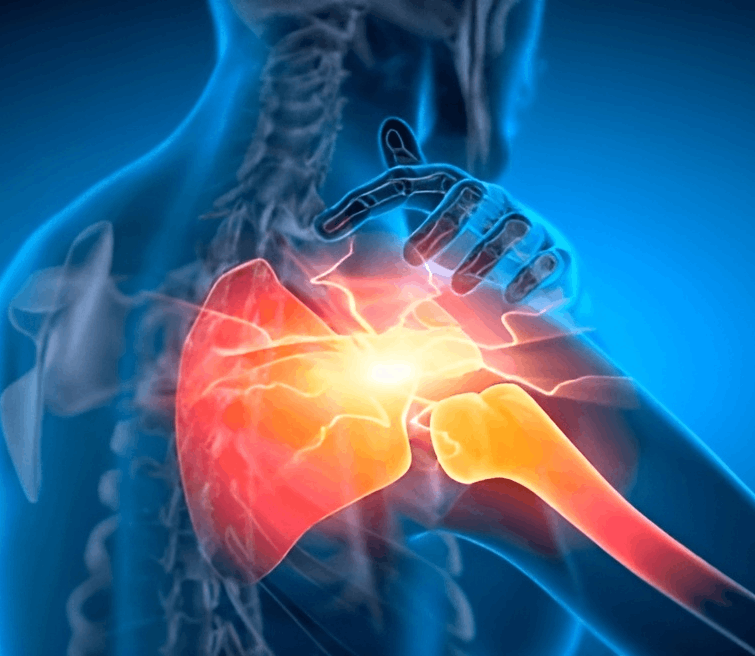
Symptoms include history of significant shoulder trauma followed by instability, recurrent dislocations or subluxations in multiple directions, apprehension and guarding with arm positions in various planes, sensation of shoulder slipping or giving way, deep shoulder pain worsened by activity, weakness with overhead activities and lifting, inability to trust the shoulder during sports or work activities, and night pain particularly when rolling onto the affected side. Patients often describe feeling unstable in positions that would not typically cause concern, reflecting the multidirectional nature of their instability.
Causes are traumatic events damaging multiple stabilizing structures. High-energy trauma including motor vehicle accidents, motorcycle crashes, and severe falls cause extensive damage to labrum, ligaments, and capsule simultaneously. Contact sports injuries from football collisions, hockey checks, or wrestling can create similar damage patterns. Recurrent unidirectional dislocations progressively damage additional structures—initial anterior dislocation tears the anterior labrum, subsequent dislocations may damage posterior structures creating multidirectional pattern. Seizures and electrical injuries cause violent muscle contractions that can dislocate the shoulder in multiple directions causing circumferential damage.
Schedule Your ConsultationWho's at risk for Traumatic Multidirectional Instability?
Several factors increase risk of developing traumatic multidirectional instability:
High-Energy Trauma
+Individuals involved in motor vehicle accidents, motorcycle crashes, and high-speed falls face risk of extensive shoulder damage creating multidirectional instability. The force magnitude causes widespread structural injury beyond typical single-direction instability patterns. Industrial accidents and falls from height create similar injury mechanisms.
Contact Sports Athletes
+Football players, rugby athletes, hockey players, and wrestlers sustain repeated shoulder trauma that may cause initial unidirectional instability progressing to multidirectional patterns with subsequent injuries. High-energy collisions create extensive damage in single events. Athletes continuing to play with unstable shoulders risk progressive structural damage.
Recurrent Dislocators
+Patients with recurrent shoulder dislocations who delay surgical treatment accumulate progressive damage with each instability episode. Initial anterior Bankart lesion may be joined by posterior labral tears, capsular stretching, and bone loss creating multidirectional instability over time. Early stabilization prevents this progression.
Seizure Disorders
+Patients with seizure disorders face unique risk from violent muscle contractions during seizures that can dislocate shoulders in multiple directions simultaneously. Electrical injuries cause similar forceful contractions. These mechanisms create circumferential labral damage and multidirectional instability patterns.
Traumatic Multidirectional Instability Prevention
Prevention focuses on avoiding high-energy trauma and appropriately treating initial instability episodes. Use proper safety equipment including seatbelts, motorcycle helmets, and appropriate protective gear during high-risk activities. Athletes should use proper technique and protective equipment in contact sports. Workplace safety measures prevent industrial accidents and falls.
Most importantly, treat initial shoulder dislocations appropriately. Young patients with first-time dislocations have high recurrence risk—early surgical stabilization prevents the cycle of recurrent dislocations that progressively damages additional structures. Do not delay treatment hoping instability will resolve. Each subsequent dislocation causes additional structural damage increasing the likelihood of multidirectional instability development. Patients with seizure disorders should maintain optimal seizure control with appropriate medications. Once traumatic multidirectional instability develops, prevention is no longer possible—focus shifts to comprehensive surgical reconstruction.
How is Traumatic Multidirectional Instability Diagnosed?
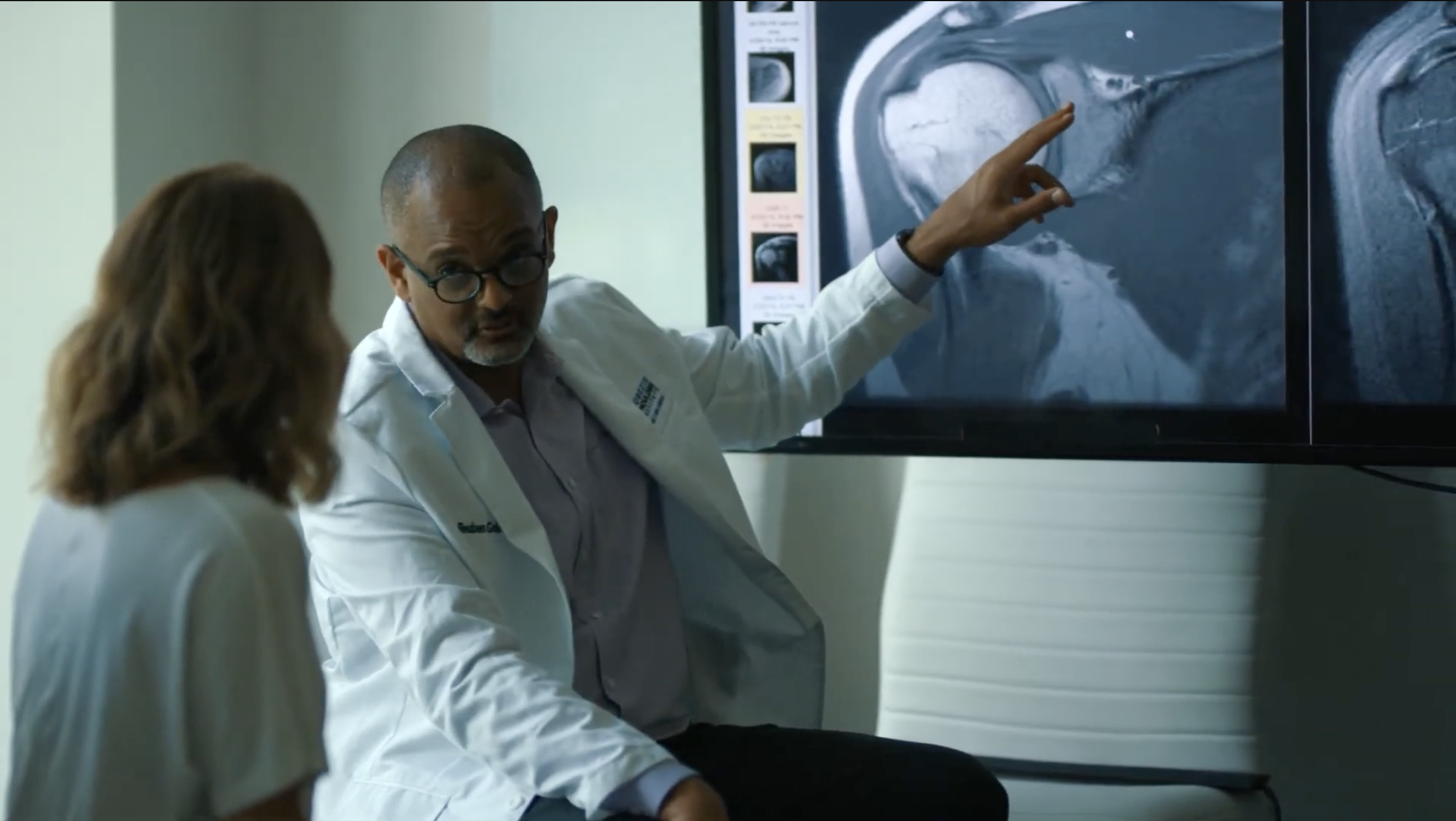
Diagnosis requires comprehensive evaluation identifying all damaged structures. History documents initial trauma mechanism, number of instability episodes, directions of dislocation or subluxation, and functional limitations. Physical examination evaluates laxity and apprehension in multiple directions. Anterior apprehension test assesses anterior instability. Posterior stress testing evaluates posterior translation. Sulcus sign tests inferior laxity. Load and shift testing quantifies translation in all directions. Importantly, examination differentiates traumatic MDI from atraumatic—traumatic patients have normal opposite shoulder while atraumatic patients often show bilateral laxity.
MRI arthrography is essential showing labral tears (location and extent), capsular damage and redundancy, ligament injuries, Hill-Sachs and reverse Hill-Sachs lesions (bone impressions from dislocations), and associated rotator cuff pathology. CT scan with 3D reconstruction evaluates bone loss from both glenoid (bony Bankart) and humeral head critical for surgical planning. Significant bone loss may require bone augmentation procedures rather than soft tissue repair alone. Comprehensive imaging ensures all pathology is identified enabling complete surgical reconstruction.
What treatment is best for Traumatic Multidirectional Instability?
Unlike atraumatic MDI where rehabilitation is first-line, traumatic MDI with structural damage typically requires surgical reconstruction. Treatment must address all damaged structures to restore stability in every direction.
Limited Role of Conservative Treatment
+Conservative treatment has limited success for traumatic MDI because structural damage (torn labrum, ligaments, capsule) cannot heal to restore normal anatomy. Physical therapy strengthens dynamic stabilizers but cannot compensate for significant structural deficiency. Brief rehabilitation may be attempted but persistent instability warrants surgical intervention. Delaying surgery risks additional damage from recurrent instability episodes.
Arthroscopic Reconstruction
+Arthroscopic surgery addresses all damaged structures through small incisions. Circumferential or pan-labral repair reattaches torn labrum around the entire glenoid rim using suture anchors. Capsular plication tightens stretched capsule in all directions. Rotator interval closure addresses superior instability. The comprehensive approach restores containment in all directions. Success rates are good when all pathology is addressed.
Bone Loss Management
+Significant glenoid bone loss (greater than 20-25%) requires bone augmentation—soft tissue repair alone has high failure rates. Latarjet procedure transfers coracoid bone with attached muscle to the anterior glenoid restoring bone stock and providing dynamic stability. Posterior bone grafting addresses posterior bone loss. Humeral head bone loss (Hill-Sachs lesions) may require remplissage procedure filling the defect with infraspinatus tendon.
Open Reconstruction
+Severe or revision cases may require open surgical approach for more extensive reconstruction. Open capsular shift aggressively tightens redundant capsule. Combined anterior and posterior approaches address circumferential damage. Allograft reconstruction using donor tissue may be needed for severe bone or soft tissue deficiency. These complex reconstructions are reserved for severe traumatic MDI or failed previous surgery.
Traumatic Multidirectional Instability Treatment in Cleveland, Ohio

Cleveland Shoulder Institute specializes in comprehensive evaluation and surgical treatment of traumatic multidirectional instability. Our fellowship-trained shoulder surgeons have extensive experience with complex instability patterns requiring advanced reconstruction techniques.
We provide thorough diagnostic evaluation including detailed physical examination assessing instability in all directions, MRI arthrography identifying all soft tissue damage, and CT imaging quantifying bone loss for surgical planning. Our surgical approach addresses all pathology comprehensively including pan-labral repair, capsular reconstruction, and bone augmentation procedures when indicated. We have expertise in Latarjet procedure, remplissage, and complex revision reconstruction. Located in Cleveland with resources for the most challenging instability cases.
Schedule Your ConsultationMeet our Shoulder Instability Team
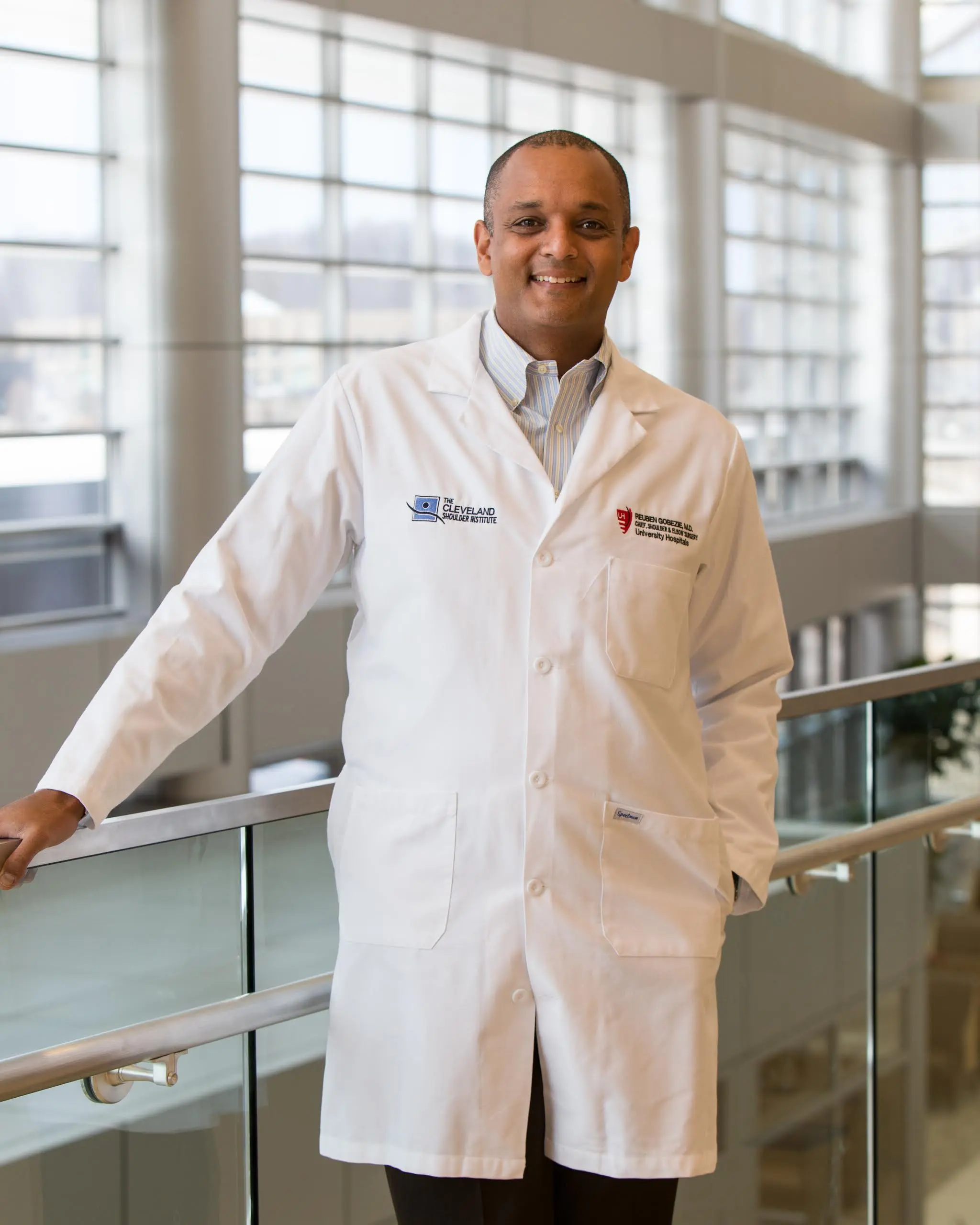
Dr. Gobezie is a fellowship-trained shoulder and elbow surgeon with specialized expertise in complex traumatic shoulder instability. He has extensive experience with comprehensive arthroscopic reconstruction, Latarjet procedure, and revision instability surgery. His approach emphasizes thorough preoperative planning ensuring all pathology is identified and addressed surgically.
Supporting Dr. Gobezie are board-certified anesthesiologists, experienced surgical teams trained in complex shoulder reconstruction, specialized physical therapists understanding post-stabilization rehabilitation, and dedicated medical staff. This collaborative approach ensures accurate diagnosis of all damaged structures, comprehensive surgical reconstruction, and structured rehabilitation maximizing outcomes.
What Our Patients Say About Traumatic MDI Treatment
Real experiences from patients who successfully treated traumatic multidirectional instability:
"After a bad motorcycle accident, my shoulder was unstable in every direction. Dr. Gobezie performed comprehensive reconstruction repairing my labrum all the way around. Six months later my shoulder is completely stable. His thorough approach addressed everything."
— Ryan Mitchell
"Years of football dislocations left me with severe instability. Dr. Gobezie did Latarjet procedure for my bone loss plus labral repair. The surgery was complex but results are excellent—no more instability and I have full function. Expert care."
— Derek Thompson
"My shoulder dislocated multiple times after initial injury. Each time made it worse. Dr. Gobezie explained I needed surgery to fix all the damage. The reconstruction worked perfectly—stable shoulder for the first time in years."
— Jason Rodriguez
Traumatic Multidirectional Instability Frequently Asked Questions
How is traumatic MDI different from atraumatic MDI?
+Traumatic MDI results from specific injury events that damage stabilizing structures—torn labrum, ligaments, and capsule create instability. Atraumatic MDI develops without significant trauma due to inherent capsular laxity. The key difference is structural damage in traumatic cases. Treatment differs significantly—atraumatic MDI often responds to rehabilitation while traumatic MDI typically requires surgical repair of damaged structures.
Why does traumatic MDI usually need surgery?
+Traumatic MDI involves torn tissues (labrum, ligaments, capsule) that cannot heal back to their anatomic attachment without surgical repair. Physical therapy strengthens muscles but cannot restore torn structures. Continued instability without surgery risks additional damage with each episode. Surgery repairs all damaged structures restoring normal anatomy and stability.
What is bone loss and why does it matter?
+Recurrent dislocations cause bone loss from both the glenoid socket (bony Bankart) and humeral head (Hill-Sachs lesion). When glenoid bone loss exceeds 20-25%, soft tissue repair alone has high failure rates because there is insufficient bone for the labrum to heal to. Bone augmentation procedures like Latarjet restore bone stock enabling successful stabilization. CT imaging quantifies bone loss for surgical planning.
How long is recovery from MDI reconstruction?
+Recovery requires 6-9 months for full return to activities. Sling immobilization for 4-6 weeks protects the repair. Passive motion begins early progressing to active motion around 6 weeks. Strengthening starts at 8-12 weeks. Return to non-contact activities at 4-6 months, contact sports at 6-9 months. Bone augmentation procedures may require slightly longer protection. Compliance with rehabilitation is essential.
Can I return to contact sports after surgery?
+Yes, most patients successfully return to contact sports after comprehensive reconstruction. Success rates exceed 85-90% for return to sport at pre-injury level. Bone augmentation procedures like Latarjet have particularly good outcomes for contact athletes. Return timing is typically 6-9 months. Your surgeon guides sport-specific return based on healing progress and strength restoration.