
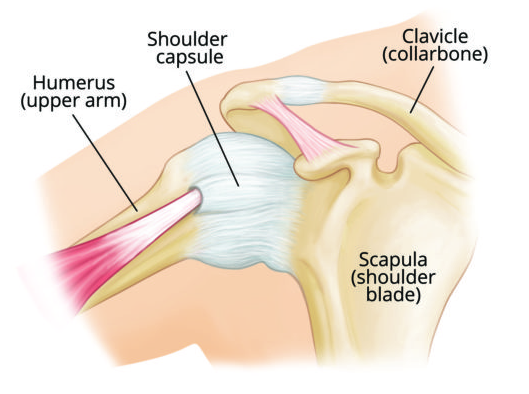
Common Arthroscopic Capsular Release Symptoms & Causes
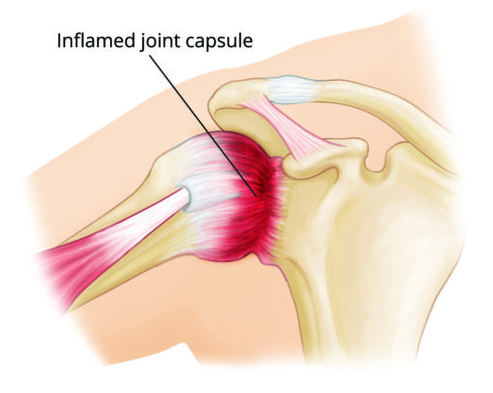
Candidates for arthroscopic capsular release typically experience severe shoulder stiffness lasting 6+ months despite physical therapy, corticosteroid injections, and anti-inflammatory medications. Key indicators include inability to perform daily activities like dressing or reaching overhead, persistent pain disrupting sleep, loss of both active and passive range of motion in all directions, and plateau in recovery despite compliance with treatment. The procedure is particularly beneficial for patients with diabetes-related frozen shoulder, bilateral cases, or those who cannot tolerate prolonged disability.
Schedule Your ConsultationWho's a candidate for Arthroscopic Capsular Release?
Not everyone with frozen shoulder requires surgery. Understanding candidacy criteria helps determine if arthroscopic capsular release is appropriate for your situation:
Failed Conservative Treatment
+Surgery is typically considered after 6-12 months of unsuccessful conservative management including physical therapy, NSAIDs, and corticosteroid injections. If symptoms haven't improved despite compliance with treatment protocols, surgical intervention may accelerate recovery.
Severe Functional Limitation
+Candidates experience significant daily life restrictions—difficulty dressing, bathing, working, or sleeping. Loss of more than 50% range of motion in multiple planes qualifies most patients. Professional requirements or personal circumstances may warrant earlier surgical consideration.
Diabetic Frozen Shoulder
+Diabetic patients often experience more severe, prolonged symptoms with slower response to conservative treatment. Earlier surgical intervention may be recommended as diabetic frozen shoulder typically takes longer to resolve naturally and responds less favorably to non-surgical approaches.
Patient Health and Motivation
+Ideal candidates are healthy enough for anesthesia, committed to post-operative rehabilitation, and have realistic expectations. Smokers, those with active infections, or uncontrolled medical conditions may need optimization before surgery. Good candidates understand recovery requires dedicated physical therapy participation.
Preparing for Arthroscopic Capsular Release
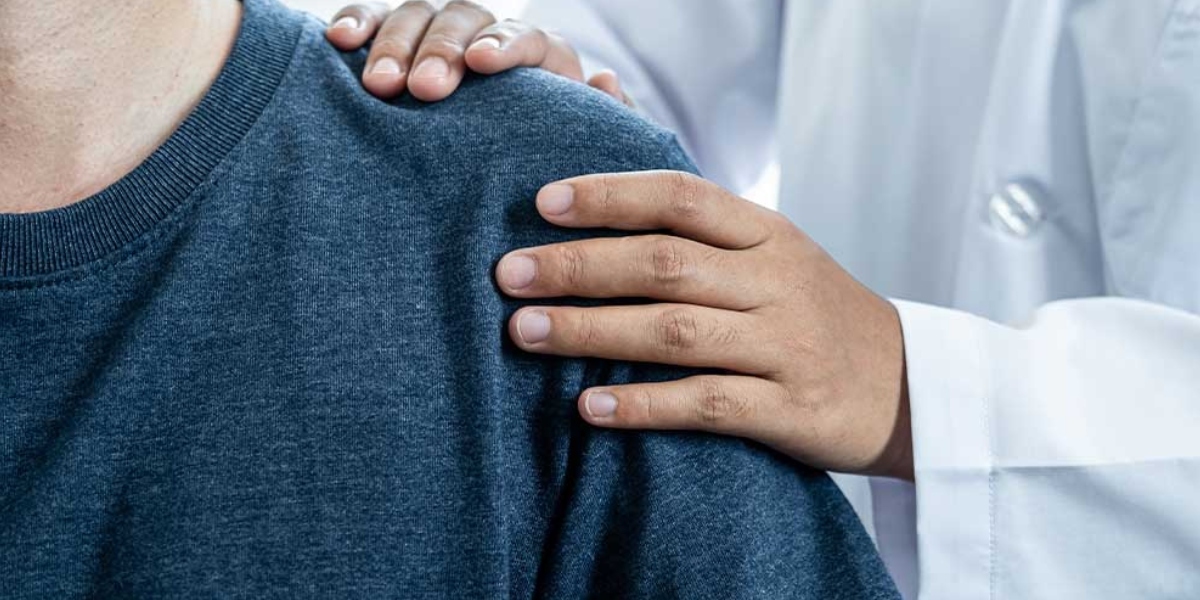
Successful surgery outcomes begin with proper preparation. Schedule pre-operative medical clearance if you have chronic conditions. Optimize blood sugar control if diabetic—better glucose management improves healing. Stop smoking at least 4 weeks before surgery to reduce complications. Arrange transportation home and assistance for 24-48 hours post-surgery. Prepare your home with items at waist level to avoid overhead reaching. Complete prescribed pre-operative physical therapy to maximize baseline motion. Fill prescriptions beforehand and plan time off work—most patients need 1-2 weeks for desk jobs, longer for physical labor. Mental preparation and understanding recovery expectations contribute significantly to satisfaction.
How is Arthroscopic Capsular Release Performed?
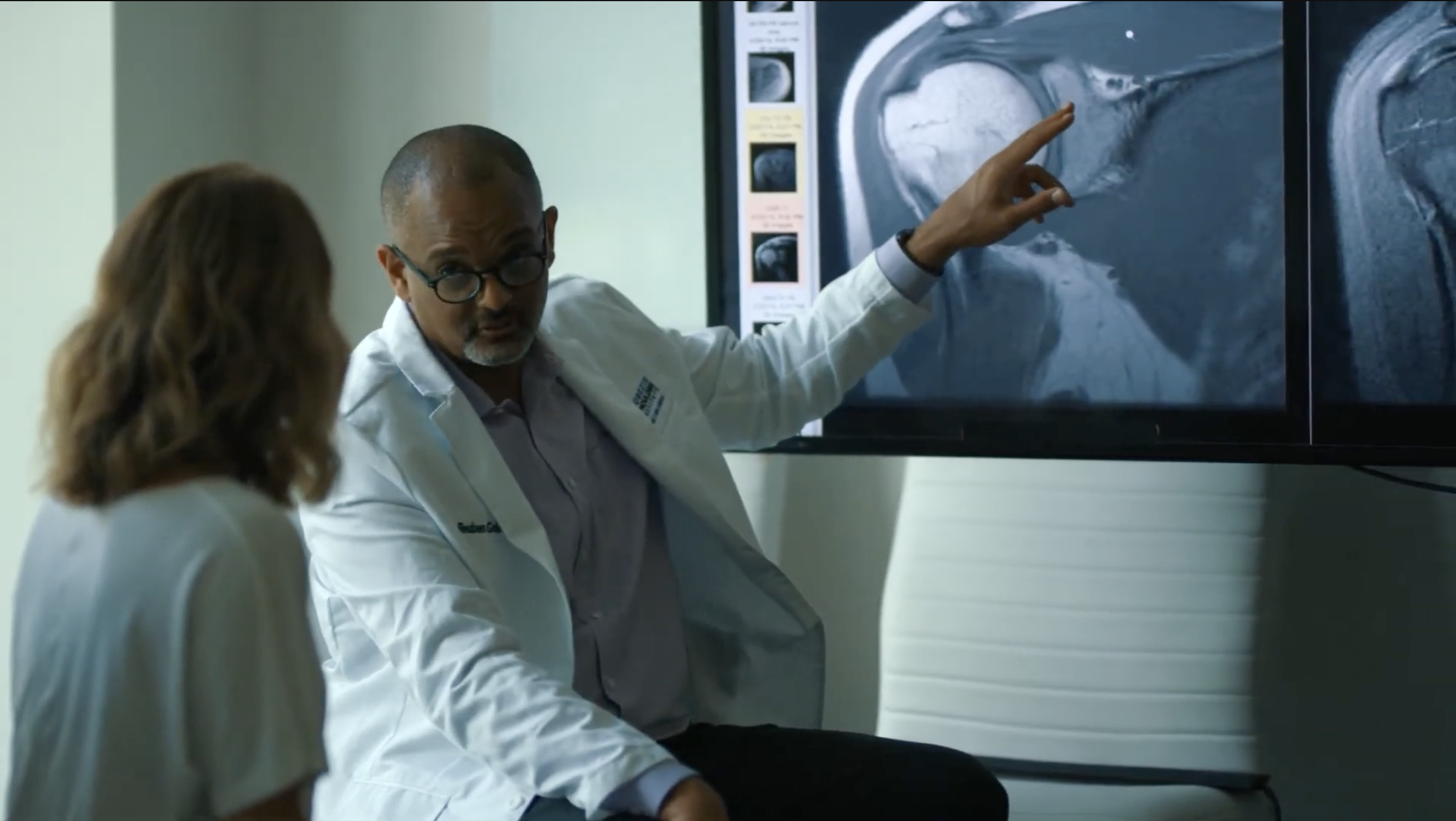
The procedure begins with general anesthesia and nerve block for post-operative pain control. You're positioned in a beach chair or lateral position. The surgeon creates 2-3 small incisions (5-10mm) around the shoulder. An arthroscope (camera) is inserted, displaying magnified images on a monitor. Sterile fluid inflates the joint for visualization.
The surgeon systematically examines the joint, documenting findings with photographs. Using specialized instruments, the thickened anterior, inferior, and posterior capsule is carefully released. Adhesions binding the capsule to the humeral head are divided. The rotator interval is opened. Manipulation gently stretches remaining restrictions. A corticosteroid injection reduces inflammation. Incisions are closed with absorbable sutures or surgical glue. The entire procedure typically takes 45-90 minutes. Your arm remains in a sling initially but early motion begins immediately post-operatively under therapist guidance.
What to Expect After Arthroscopic Capsular Release?
Recovery follows a structured protocol optimizing the surgical release while preventing re-stiffening. Success depends heavily on dedicated post-operative rehabilitation. Most patients achieve significant improvement within 3-6 months. Understanding recovery phases helps set realistic expectations and maximize outcomes.
Immediate Post-Operative Period (Days 1-7)
+Nerve block provides 12-24 hours of numbness. Pain medication manages discomfort once sensation returns. Ice application reduces swelling. Gentle pendulum exercises begin day one or two. Sleeping upright or semi-reclined improves comfort. Incisions remain covered and dry for 48 hours.
Early Recovery Phase (Weeks 1-6)
+Physical therapy starts within days, focusing on maintaining motion gained during surgery. Passive and active-assisted exercises prevent re-adhesion formation. Gradual progression to active motion occurs as pain permits. Most daily activities resume within 2-3 weeks. Driving typically resumes at 1-2 weeks once pain controlled.
Strengthening Phase (Weeks 6-12)
+Once range of motion plateaus, strengthening exercises begin rebuilding shoulder stability and endurance. Resistance bands, light weights, and functional exercises restore muscle balance. Return to unrestricted activities occurs gradually based on individual progress and surgeon clearance.
Long-Term Recovery (Months 3-6)
+Continued improvement occurs for 3-6 months post-surgery. Most patients achieve 80-95% of normal motion. Full return to sports and heavy labor typically occurs at 3-4 months. Ongoing home exercises maintain gains. Recurrence is uncommon with proper rehabilitation compliance.
Arthroscopic Capsular Release Surgery in Cleveland, Ohio

Cleveland Shoulder Institute specializes in advanced arthroscopic procedures for frozen shoulder treatment. Our surgeons perform over 100 capsular releases annually, using refined techniques that minimize tissue trauma and optimize recovery. We utilize high-definition arthroscopic systems for superior visualization and precision instrumentation for controlled capsular release.
Our comprehensive approach includes pre-operative education, surgical excellence, and structured post-operative rehabilitation. We coordinate directly with specialized shoulder physical therapists who understand the critical importance of early motion following release. Surgery is performed at accredited ambulatory surgery centers with state-of-the-art equipment and experienced surgical teams. Same-day surgery with home discharge is standard. Located in Cleveland with convenient scheduling and thorough pre-operative consultations to ensure you're fully informed and comfortable with your treatment plan.
Schedule Your ConsultationMeet our Arthroscopic Shoulder Surgery Team
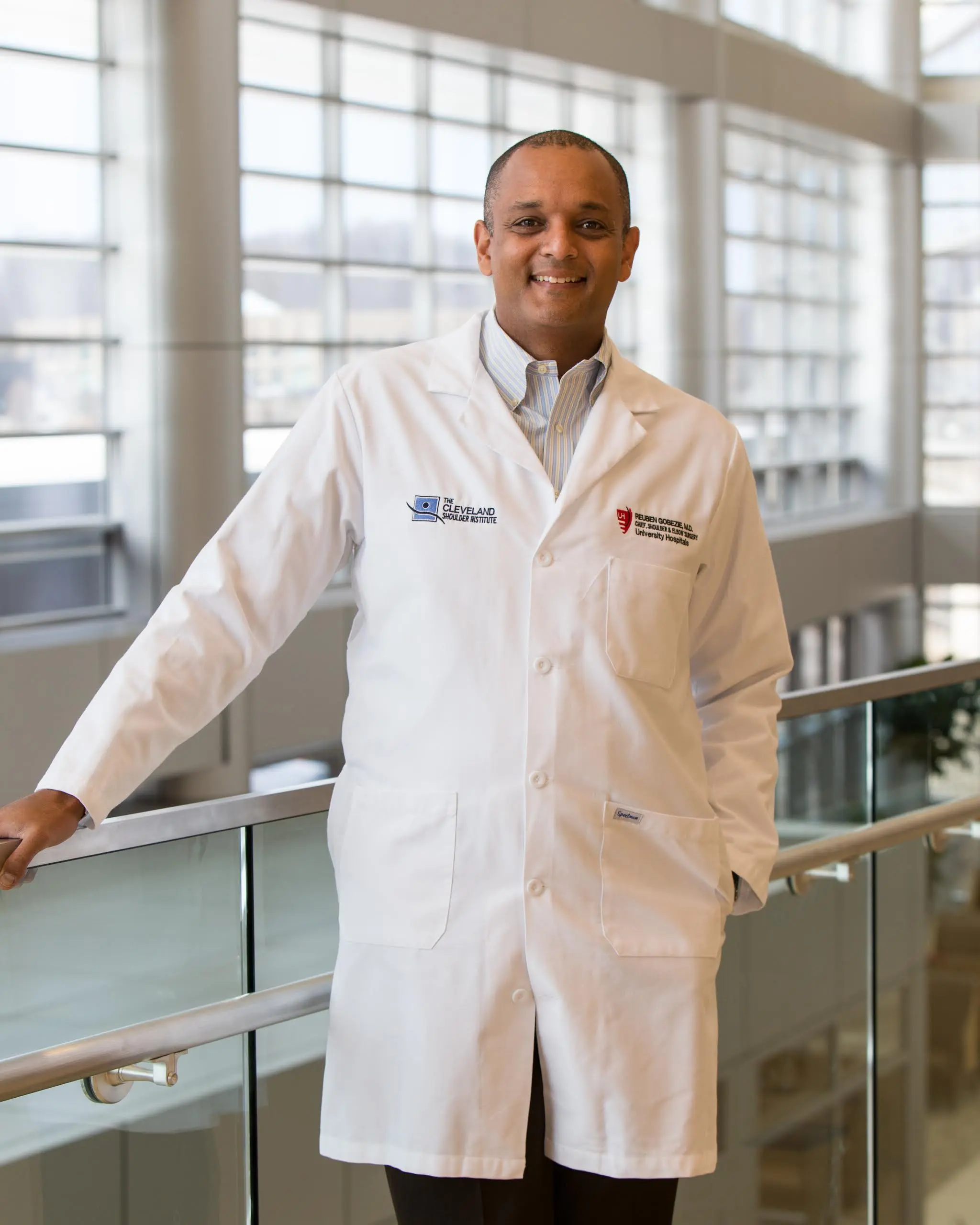
Our surgical team consists of fellowship-trained orthopedic surgeons who completed advanced training specifically in shoulder arthroscopy and complex shoulder reconstruction. Each surgeon performs hundreds of arthroscopic procedures annually, maintaining expertise in the latest techniques and technology. They actively participate in research, teaching, and professional organizations dedicated to advancing shoulder surgery.
Supporting our surgeons are board-certified anesthesiologists experienced in regional nerve blocks, certified surgical technologists trained in shoulder-specific instrumentation, and specialized physical therapists who understand post-capsular release rehabilitation protocols. Operating room nurses have extensive experience in arthroscopic shoulder procedures. This coordinated team approach ensures safety, precision, and optimal outcomes. We believe in thorough pre-operative education, setting realistic expectations, and supporting you through every phase of recovery with accessible communication and personalized attention.
What Our Patients Say About Arthroscopic Capsular Release
Real results from patients who chose surgery after conservative treatment plateaued:
""After 14 months of frozen shoulder with minimal improvement from therapy, the capsular release was life-changing. Within weeks I had motion I hadn't seen in over a year. Worth every bit of the recovery process.""
— Gladys Bird
""Dr. Gobezie thoroughly explained the procedure and what to expect. The surgery was quick, nerve block worked great, and physical therapy afterward made all the difference. I'm back to 90% normal motion.""
— Alma Rivas
""I was hesitant about surgery, but conservative treatment wasn't working. The arthroscopic approach meant small incisions and faster recovery. Six months later I have full range of motion and no regrets about my decision.""
— Donna Lucero
Arthroscopic Capsular Release Frequently Asked Questions
How long does arthroscopic capsular release surgery take?
+The procedure typically takes 45-90 minutes depending on severity of adhesions. It's performed as outpatient surgery with same-day discharge. Total time at the surgical center is approximately 3-4 hours including pre-operative preparation, surgery, and recovery room monitoring before going home.
What is the success rate of arthroscopic capsular release?
+Success rates exceed 85% for appropriate candidates. Most patients achieve 80-95% of normal shoulder motion within 3-6 months. Outcomes are best when combined with dedicated post-operative physical therapy. Diabetic patients may experience slightly slower recovery but still achieve excellent results.
How painful is recovery from capsular release?
+Nerve blocks provide 12-24 hours of numbness after surgery. Most patients describe moderate discomfort for 3-5 days, well-controlled with prescribed pain medication. Pain gradually improves over 2-3 weeks. Physical therapy causes temporary soreness but shouldn't produce severe pain.
When can I return to work after arthroscopic capsular release?
+Desk jobs: typically 1-2 weeks. Light physical work: 4-6 weeks. Heavy labor or overhead work: 8-12 weeks. Return timing depends on pain control, motion recovery, and job requirements. Your surgeon provides specific guidance based on your occupation and progress.
Can frozen shoulder come back after arthroscopic capsular release?
+Recurrence is uncommon, occurring in less than 5-10% of cases. Following prescribed physical therapy protocols and maintaining shoulder mobility significantly reduces recurrence risk. The opposite shoulder may develop frozen shoulder in the future, but the treated shoulder rarely re-freezes after successful surgical release.