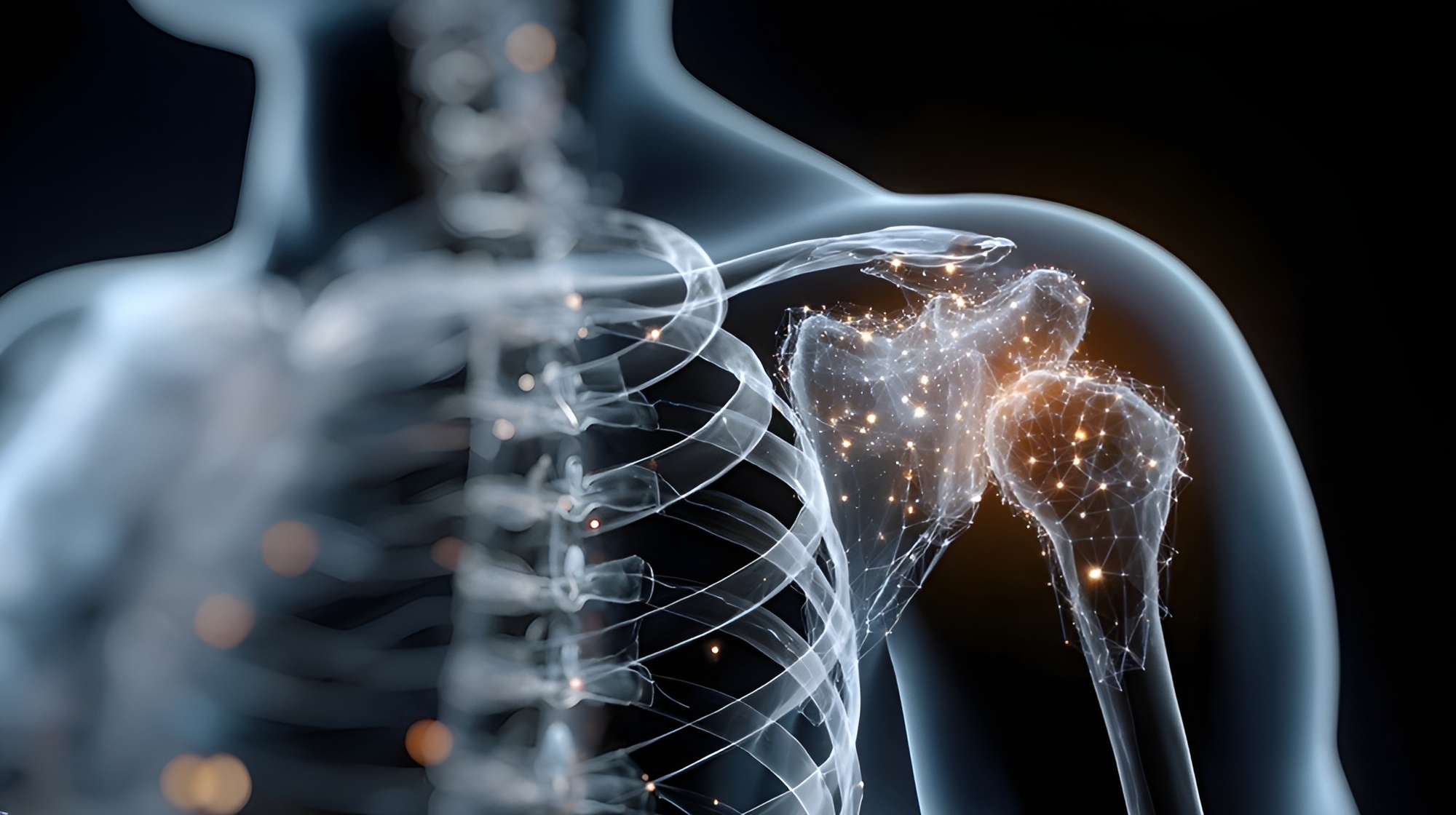

Common Rotator Cuff Repair Symptoms & Causes

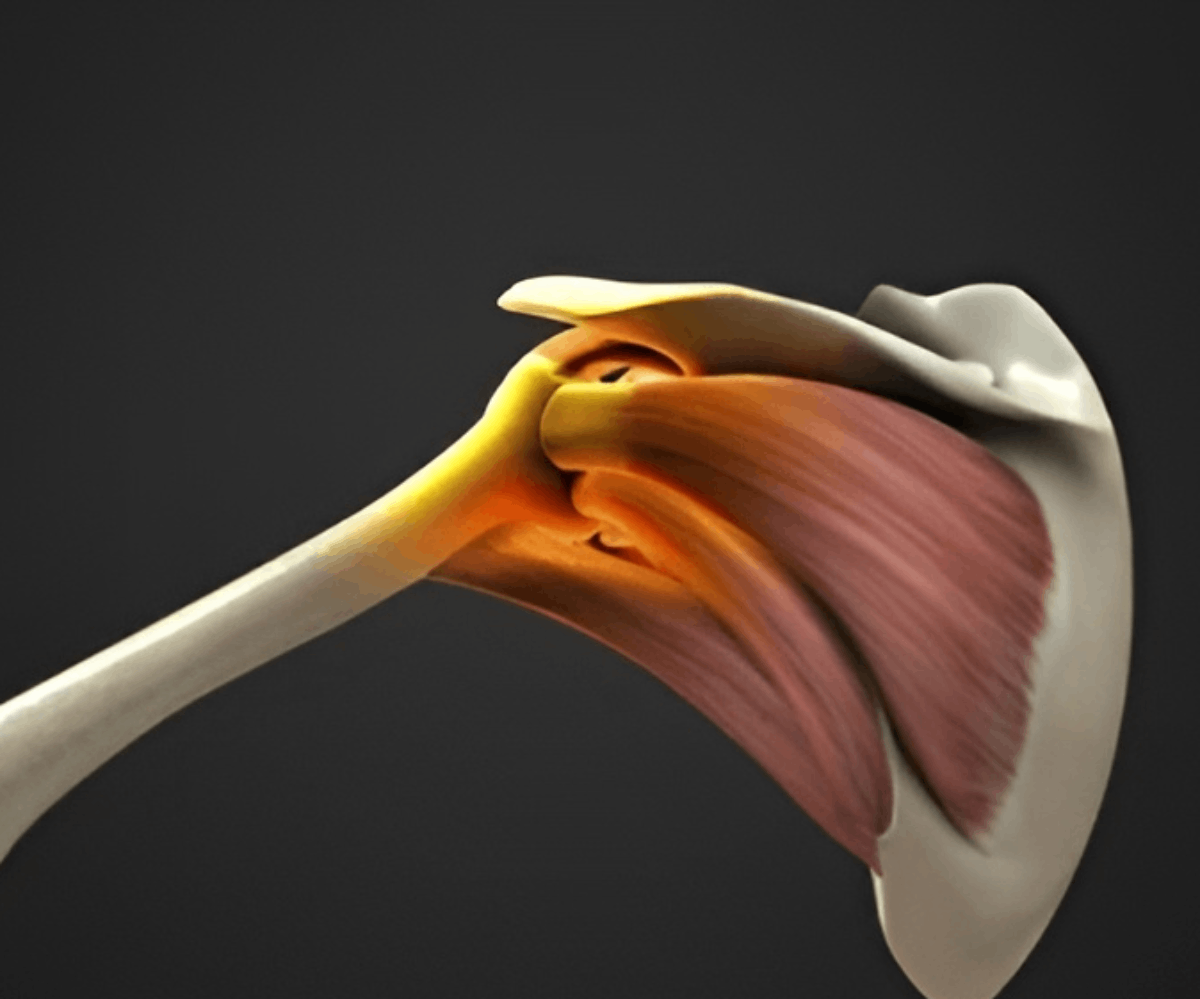
Candidates for arthroscopic rotator cuff repair experience persistent shoulder pain worsening with overhead activities or reaching, significant weakness preventing normal arm use, inability to sleep on the affected shoulder due to pain, difficulty with daily activities like dressing or reaching behind back, pain radiating down the arm, and symptoms persisting despite 3-6 months of conservative treatment. Tears result from acute traumatic injuries (falls, lifting heavy objects, shoulder dislocations) or chronic degenerative changes from repetitive overhead activities, age-related tendon weakening, and poor blood supply to the rotator cuff. Risk factors include age over 40, occupations or sports requiring repetitive overhead motion, smoking which impairs healing, and previous shoulder injuries. Both partial-thickness and full-thickness tears may benefit from surgical repair when causing significant symptoms.
Schedule Your ConsultationWho's a Candidate for Arthroscopic Rotator Cuff Repair?
Not everyone with a rotator cuff tear requires surgery. Understanding candidacy criteria ensures optimal outcomes and realistic expectations:
Symptomatic Tears Not Improving
+Ideal candidates have rotator cuff tears confirmed by MRI causing significant pain and functional limitation that hasn't improved with 3-6 months of conservative treatment including physical therapy, activity modification, anti-inflammatory medications, and corticosteroid injections. Acute traumatic tears in active individuals may warrant earlier surgical intervention.
Tear Size and Muscle Quality
+Best candidates have small to medium tears (less than 3cm) with minimal muscle atrophy and fatty infiltration. These tears have highest healing rates. Large and massive tears may still be candidates but have lower healing rates and may require advanced techniques or biological augmentation. Chronic tears with severe muscle degeneration have poor healing potential.
Age and Activity Level
+While age alone isn't a contraindication, younger patients (under 65) with good tissue quality achieve best outcomes. Active individuals motivated to complete lengthy rehabilitation are ideal candidates. Older patients with sedentary lifestyles and acceptable function may choose conservative management. High-demand athletes and manual laborers particularly benefit from surgical repair.
Patient Health and Commitment
+Candidates must be healthy enough for surgery, non-smokers or willing to quit (smoking dramatically impairs healing), and committed to 6-12 month rehabilitation process. Realistic expectations are essential—surgery improves pain and function but may not restore 100% strength. Diabetics, those with workers' compensation claims, and patients with chronic pain syndromes may have less favorable outcomes.
Preparing for Arthroscopic Rotator Cuff Repair
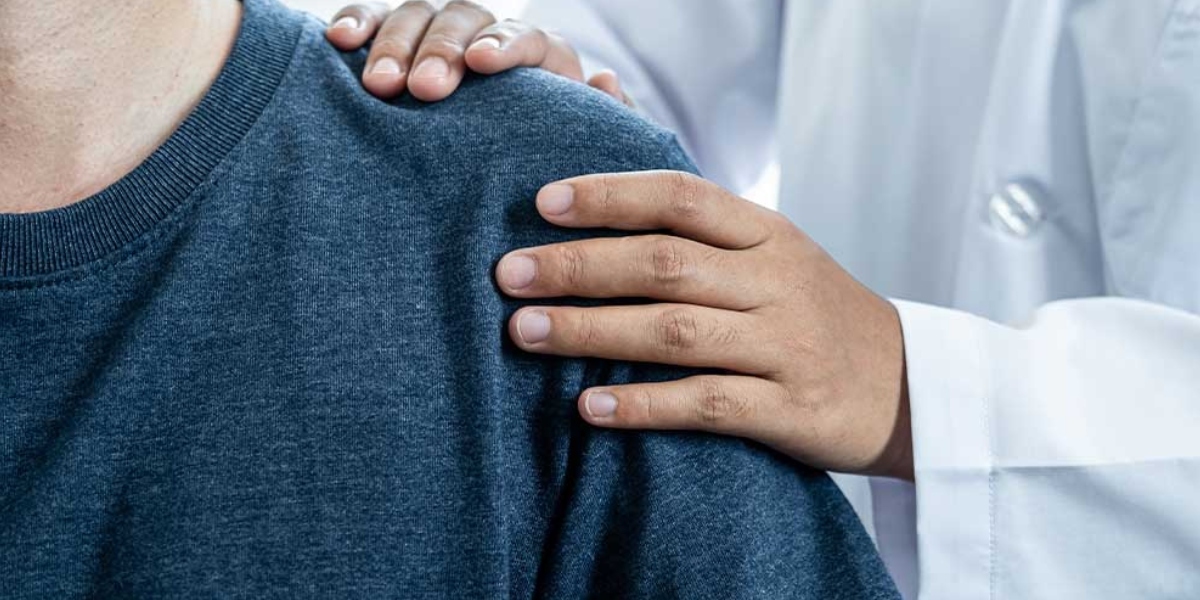
Optimal preparation significantly improves surgical outcomes and healing rates. Stop smoking at least 4-6 weeks before surgery—this is the single most important factor for healing success. Smoking dramatically increases re-tear rates and healing complications. Complete all pre-operative physical therapy to maximize pre-operative motion and reduce stiffness. Optimize nutritional status with adequate protein intake supporting tendon healing. Control blood sugar if diabetic—elevated glucose impairs healing. Discontinue anti-inflammatory medications 7-10 days before surgery as directed. Arrange transportation and assistance for at least one week—you'll need help with daily activities initially. Prepare your home with items at accessible heights avoiding overhead reaching. Purchase a comfortable sling and ice machine if recommended. Fill prescriptions beforehand. Plan extended time off work—2-4 weeks for desk jobs, 3-6 months for physical labor. Mental preparation for lengthy rehabilitation commitment is critical for satisfaction.
How is Arthroscopic Rotator Cuff Repair Performed?
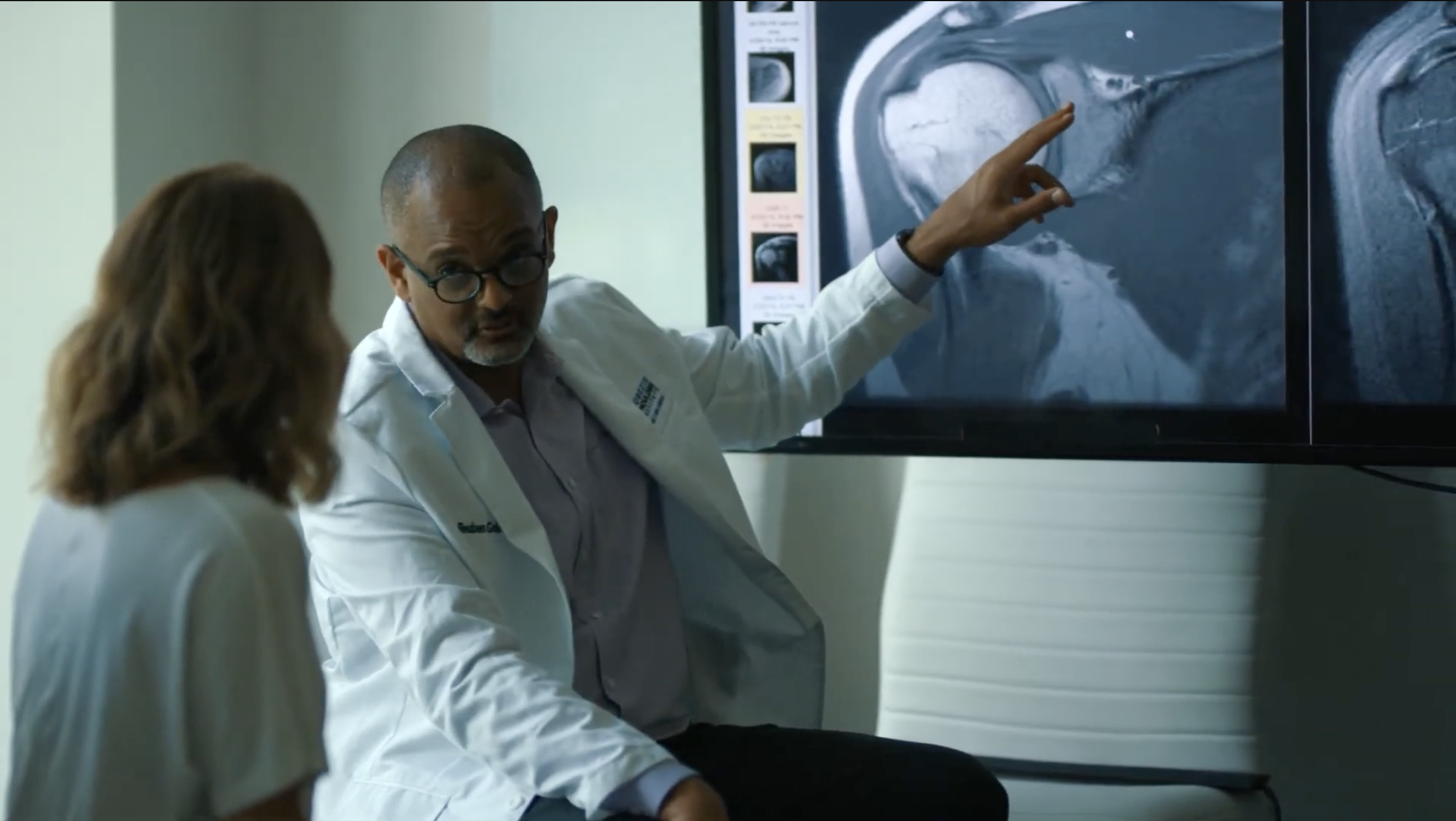
The procedure begins with general anesthesia and nerve block providing post-operative pain control. You're positioned in beach chair or lateral decubitus position. The surgeon creates 3-4 small arthroscopic portals (5-10mm incisions) around the shoulder. An arthroscope is inserted, displaying high-definition magnified images on monitors. Sterile fluid inflates the joint for optimal visualization.
Comprehensive shoulder examination identifies all pathology. The surgeon assesses tear pattern, size, retraction, and tissue quality. The biceps tendon is evaluated and may be addressed if damaged. The bone footprint where tendon should attach is prepared by removing damaged tissue and creating a bleeding surface promoting healing. Specialized bone anchors loaded with strong sutures are inserted into the prepared footprint. Sutures are passed through the torn tendon using various techniques. For larger tears, double-row repair configurations maximize contact area and healing potential. The tendon is secured back to bone with appropriate tension. Additional procedures like subacromial decompression or distal clavicle excision are performed if indicated. The joint is irrigated and portals closed. A sling immobilizes the arm. The procedure takes 60-120 minutes depending on tear complexity. Same-day discharge is standard.
What to Expect After Arthroscopic Rotator Cuff Repair?
Recovery requires patience and strict compliance with rehabilitation protocols. Tendon healing to bone takes 12-16 weeks. Premature activity or non-compliance dramatically increases re-tear risk. Most patients achieve maximum improvement at 9-12 months post-surgery. Understanding recovery phases helps set realistic expectations.
Immobilization Phase (Weeks 0-6)
+Arm remains in sling continuously for 4-6 weeks protecting the repair. Nerve block provides 12-24 hours of numbness. Pain medication manages discomfort once sensation returns. Gentle passive motion exercises (therapist moves your arm) begin immediately preventing stiffness without stressing repair. No active motion or muscle contraction allowed. Hand, wrist, and elbow exercises prevent stiffness. Ice reduces swelling and pain.
Active Motion Phase (Weeks 6-12)
+Sling discontinued once initial healing confirmed, typically 6 weeks. Physical therapy progresses to active-assisted exercises where you help move the arm with the other arm or pulleys. Gradual progression to active motion occurs as healing permits. No resistance or strengthening yet—focus remains on restoring motion. Driving resumes once off narcotics, typically 6-8 weeks. Light desk work may resume.
Strengthening Phase (Months 3-6)
+Once tendon healing confirmed by examination and imaging, progressive strengthening begins around 12 weeks. Start with isometrics, progress to resistance bands, then light weights. Gradual increase in resistance and repetitions. Functional activities expand. Return to light work typically 3-4 months. Sports and heavy activities remain restricted until adequate strength restored.
Return to Full Activity (Months 6-12)
+Continued strengthening and functional training. Return to unrestricted activities including sports and heavy labor typically 6-9 months based on tear size, repair quality, and strength recovery. Maximum improvement often takes 12 months. Lifetime shoulder maintenance exercises recommended. Regular follow-up monitors healing and function. Re-tear risk decreases once fully healed but never completely eliminated.
Arthroscopic Rotator Cuff Repair Surgery in Cleveland, Ohio

Cleveland Shoulder Institute specializes in advanced arthroscopic rotator cuff repair with over 200 procedures performed annually. Our surgeons utilize the latest surgical techniques including double-row repairs for larger tears, knotless anchor systems, bridging techniques for massive tears, and biological augmentation with grafts when needed. We participate in clinical research advancing rotator cuff healing and outcomes.
Our comprehensive approach includes thorough pre-operative evaluation determining tear repairability, optimization of patient factors affecting healing, expert arthroscopic technique maximizing repair strength, and evidence-based rehabilitation protocols. We coordinate closely with specialized physical therapists who understand the critical healing phases and progression criteria. Surgery is performed at accredited ambulatory surgery centers equipped with high-definition arthroscopic systems. We utilize nerve blocks and multimodal pain management minimizing narcotic requirements. Located in Cleveland with convenient scheduling, same-day appointments for acute injuries, and thorough pre-operative consultations ensuring understanding of the procedure and recovery commitment required.
Schedule Your ConsultationMeet our Rotator Cuff Repair Team
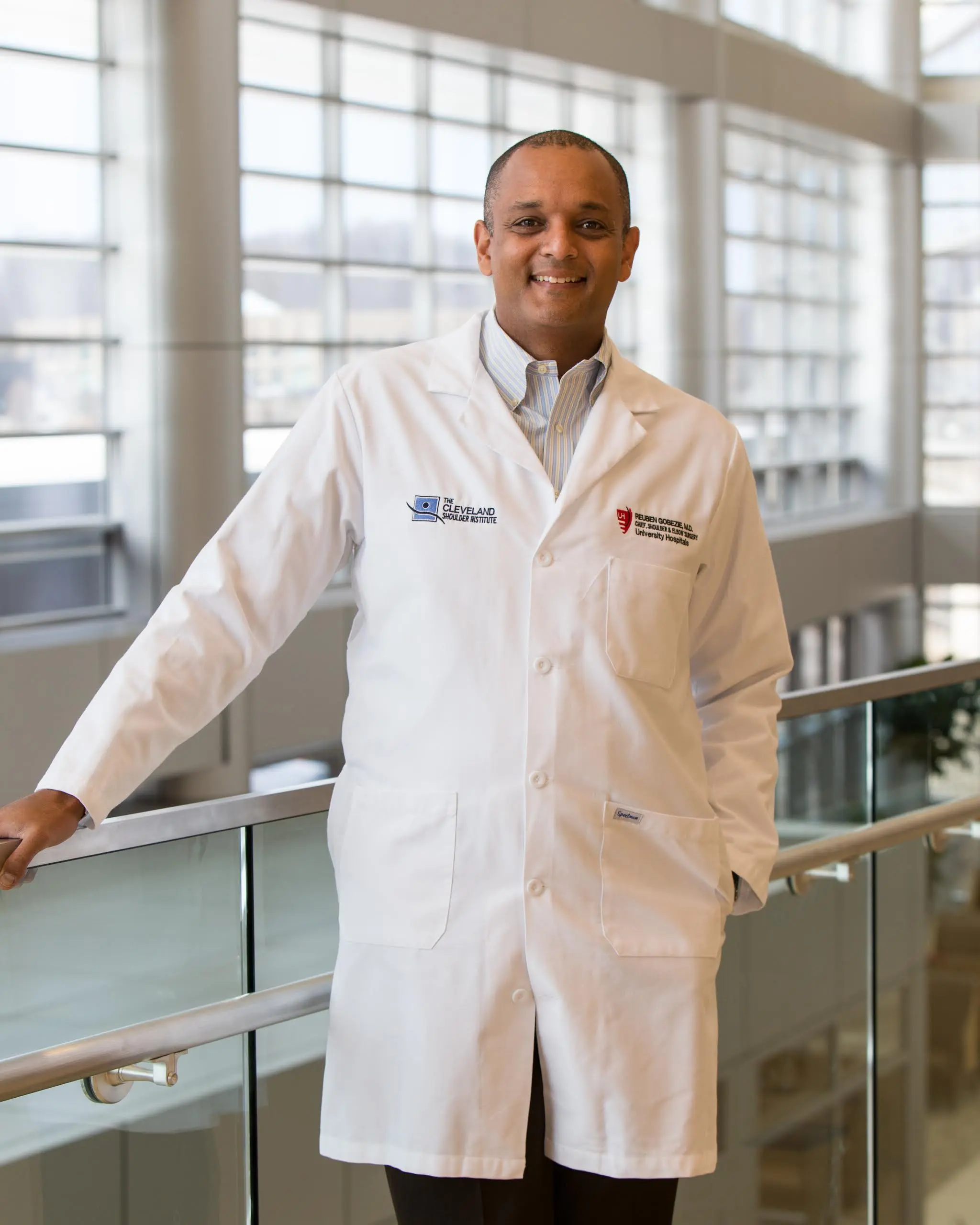
Dr. Gobezie is a fellowship-trained shoulder and elbow surgeon who completed advanced training in arthroscopic surgery and complex rotator cuff reconstruction. He performs hundreds of rotator cuff repairs annually, maintaining expertise in both routine and complex tears requiring advanced techniques. Dr. Gobezie stays current through active participation in research evaluating healing rates and outcomes, teaching commitments training other surgeons, and leadership in professional societies dedicated to advancing arthroscopic shoulder surgery.
Supporting Dr. Gobezie are board-certified anesthesiologists specializing in regional nerve blocks for shoulder surgery, experienced surgical technologists trained in arthroscopic instrumentation and anchor systems, and specialized physical therapists with expertise in rotator cuff rehabilitation protocols. Our therapists understand the critical importance of protecting repairs during early healing while preventing stiffness. This comprehensive team approach ensures optimal surgical technique, appropriate repair construct selection, effective pain management, and structured rehabilitation maximizing healing rates and functional outcomes.
What Our Patients Say About Arthroscopic Rotator Cuff Repair
Real experiences from patients who successfully repaired their rotator cuff tears:
"I tore my rotator cuff in a fall and couldn't lift my arm. Dr. Gobezie repaired it arthroscopically and explained the long recovery process clearly. I followed the rehab protocol carefully and nine months later I have full strength back. The surgery was definitely worth it."
— Steven Baker
"After six months of physical therapy with no improvement, surgery was the right choice. The arthroscopic approach meant small incisions and less pain than I expected. The recovery took patience but my shoulder is so much better now. I can sleep on that side again and have no pain."
— Linda Thompson
"Dr. Gobezie was honest about the lengthy recovery but also confident about the repair. The surgical team was excellent and physical therapy was crucial. One year later my shoulder is strong and functional. I'm back to playing tennis and doing everything I want to do."
— Michael Roberts
Arthroscopic Rotator Cuff Repair Frequently Asked Questions
How long does it take to recover from arthroscopic rotator cuff repair?
+Initial healing takes 12-16 weeks with sling for 4-6 weeks and gradual motion restoration. Strengthening begins at 3 months. Return to full activities typically 6-9 months for most patients, though maximum improvement continues through 12 months. Larger tears require longer recovery. Patience and rehabilitation compliance are critical for optimal outcomes.
What is the success rate of rotator cuff repair surgery?
+Success rates vary by tear size: small tears 90-95%, medium tears 80-85%, large tears 70-80%, massive tears 50-70%. Success depends on multiple factors including tear size, chronicity, muscle quality, surgical technique, and rehabilitation compliance. Even partially healed repairs often provide excellent pain relief and functional improvement.
Can my rotator cuff tear again after surgery?
+Re-tear risk exists, ranging from 5-10% for small tears to 30-40% for massive tears. Risk factors include larger tears, older age, smoking, poor tissue quality, and inadequate rehabilitation. Following post-operative restrictions and completing full rehabilitation significantly reduces re-tear risk. Most re-tears occur in first 3-6 months during healing phase.
Why does rotator cuff surgery recovery take so long?
+Tendon healing to bone is a biological process requiring 12-16 weeks. This cannot be rushed. The repaired tendon must develop strong attachment before being loaded with strengthening exercises. Premature strengthening dramatically increases re-tear risk. The lengthy timeline protects your repair and maximizes healing, though it requires patience and commitment.
Should I have surgery for my rotator cuff tear or try therapy first?
+Most patients try conservative treatment first including 3-6 months of physical therapy, unless acute traumatic tears in young active individuals. If symptoms don't improve adequately with therapy or if tear is large in an active person, surgery is typically recommended. Your surgeon evaluates multiple factors including tear size, symptoms, age, and activity level to recommend optimal treatment.