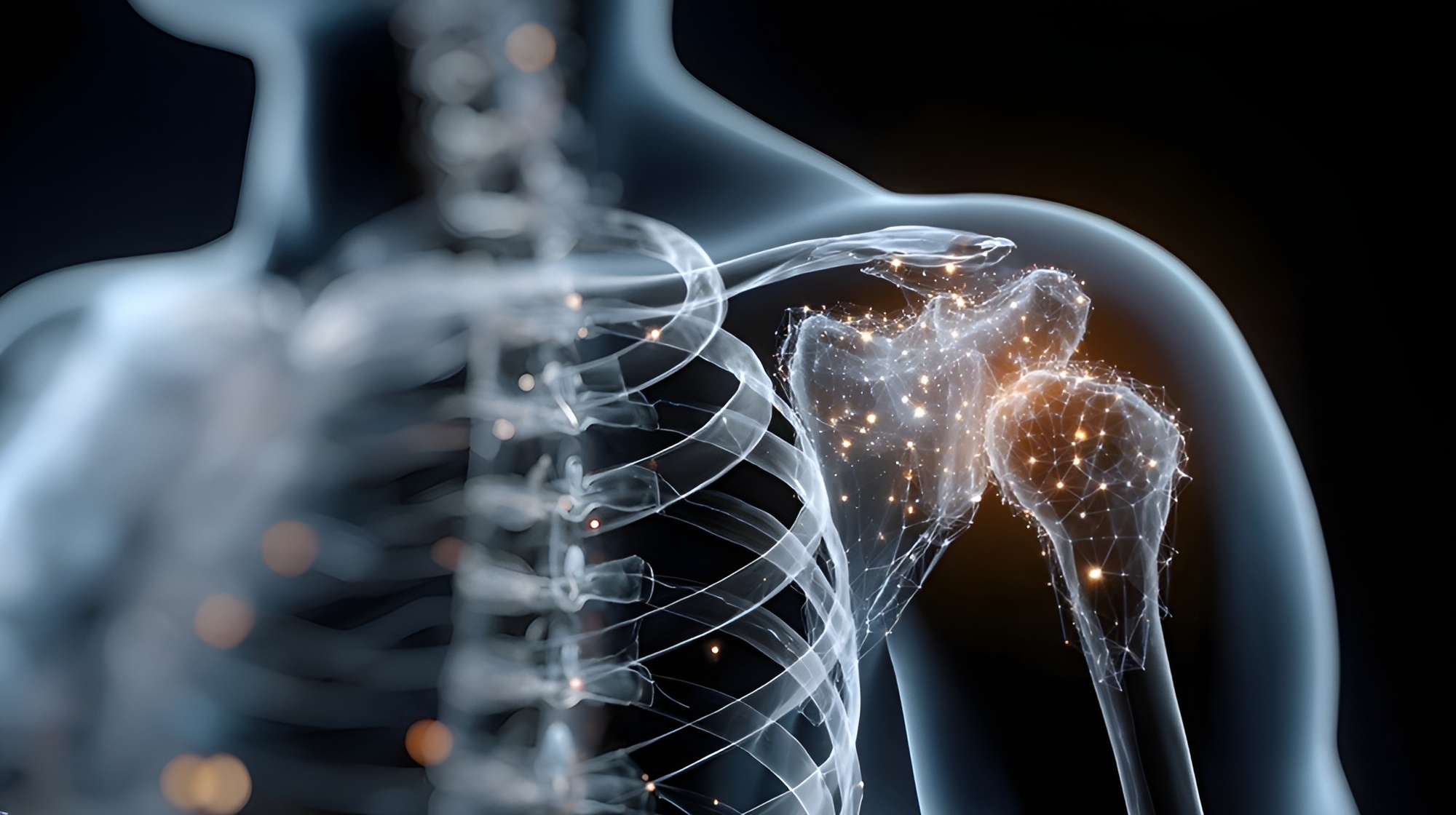

Common Glenohumeral Arthritis Symptoms & Causes
Pain from bone-on-bone rubbing is the most common symptom. Initially pain may come and go but tends to increase over several years. Movement usually adds to discomfort, and pain is commonly present at night interfering with sleep. There may or may not be pain at rest. Loss of motion is another common symptom caused by osteophytes blocking joint motion, joint capsule constriction from chronic inflammation and disuse, previous fractures or surgeries changing joint structure, or muscle weakness from rotator cuff tears.
Other symptoms include muscle atrophy from disuse, swelling due to inflammation, crepitus (clicking or crunching sounds) during movement, and tenderness with palpation affecting the entire shoulder region. Causes of glenohumeral arthritis include osteoarthritis from age-related wear, rheumatoid and inflammatory arthritis attacking joint tissues, post-traumatic arthritis following fractures or dislocations, avascular necrosis causing bone death, rotator cuff tear arthropathy from chronic massive tears, and rare congenital or metabolic conditions.
Schedule Your ConsultationWho's at risk for Glenohumeral Arthritis?
Several factors increase your risk of developing shoulder arthritis. Understanding these helps with early detection and treatment:
Age and Wear
+Age is the primary risk factor with cartilage naturally degenerating over time. Osteoarthritis typically develops after age 50 and progresses gradually. Those who have used their shoulders heavily throughout life through manual labor or overhead sports face accelerated wear.
Previous Trauma or Surgery
+Shoulder fractures, dislocations, and previous surgeries significantly increase arthritis risk. Even adequately treated injuries may develop post-traumatic arthritis years later. Previous instability surgeries, particularly those over-tightening the joint, can alter mechanics leading to accelerated wear.
Rotator Cuff Disease
+Chronic massive rotator cuff tears cause the humeral head to migrate superiorly, altering joint mechanics and accelerating cartilage wear. This leads to rotator cuff tear arthropathy—a specific pattern of arthritis requiring reverse shoulder replacement rather than anatomic replacement.
Inflammatory Conditions
+Rheumatoid arthritis and other inflammatory conditions directly attack joint tissues causing progressive destruction often affecting both shoulders. Systemic lupus, psoriatic arthritis, and other autoimmune conditions elevate risk. Avascular necrosis from steroid use, alcohol abuse, or other causes leads to bone collapse and secondary arthritis.
Glenohumeral Arthritis Prevention

While arthritis cannot always be prevented, certain strategies may slow progression or delay onset. Maintain shoulder strength and flexibility through regular exercise focusing on rotator cuff and scapular stabilizers. Avoid repetitive overhead activities when possible or use proper technique and rest periods. Treat shoulder injuries promptly and complete rehabilitation fully before returning to activities. Address rotator cuff tears appropriately as chronic tears lead to arthropathy.
For those with inflammatory conditions, work closely with rheumatology for optimal disease control preventing joint destruction. Maintain healthy body weight reducing overall inflammatory burden. Avoid smoking and excessive alcohol—both contribute to avascular necrosis risk. If you have early arthritis symptoms, seek evaluation promptly. Early intervention with activity modification, therapy, and appropriate treatment slows progression and delays need for surgery. Once significant cartilage loss occurs, prevention is no longer possible—focus shifts to symptom management and surgical planning when conservative measures fail.
How is Glenohumeral Arthritis Diagnosed?
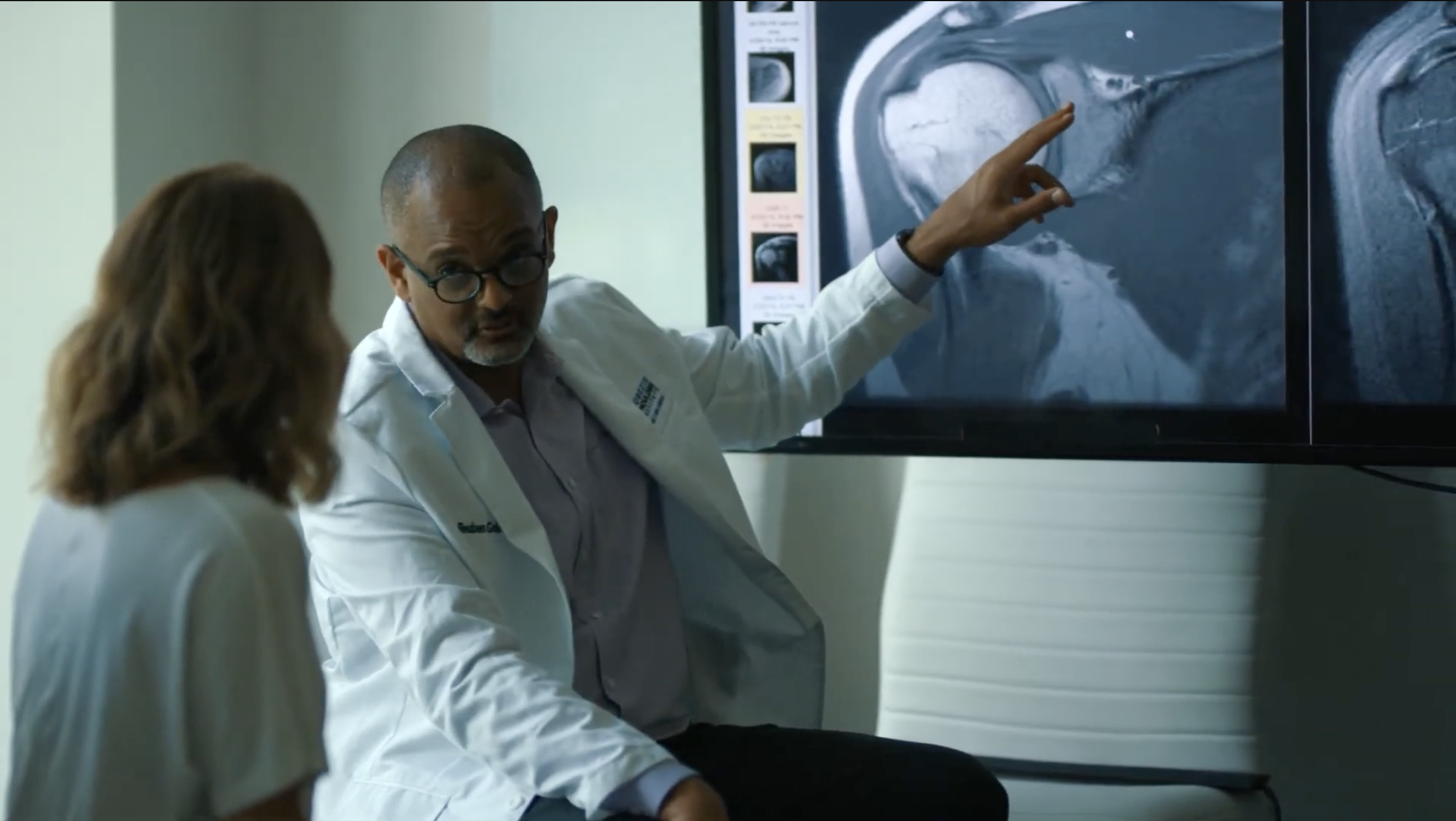
The doctor first obtains a history of symptoms over recent years. Those with shoulder arthritis typically report increasing pain over several years. The doctor asks about previous trauma or surgery, infection, rotator cuff tears, and arthritis in other joints. Physical examination evaluates range of motion, strength, and specific areas of tenderness.
X-rays confirm diagnosis showing structural changes including joint surface irregularity, osteophytes typically on the lower joint, and bone erosion on humeral head or glenoid. Glenoid bone loss is often visible on the backside of the joint. CT scan shows extent of glenoid bone loss and anatomic abnormalities affecting treatment planning. MRI provides detailed soft tissue information evaluating rotator cuff integrity—critical for determining whether anatomic or reverse replacement is appropriate. Arthrogram helps evaluate rotator cuff tears. The diagnosis is primarily clinical based on characteristic examination findings, symptom progression, and imaging confirmation.
What treatment is best for Glenohumeral Arthritis?
Treatment decisions are based upon cause, symptoms, and disease severity. Options range from conservative management for mild cases to surgical procedures for severe arthritis. Treatment is individualized based on comprehensive evaluation.
Conservative Management
+Mild arthritis is often manageable with rest, NSAIDs (ibuprofen, naproxen), and exercises to increase range of motion and strength. Glucosamine and chondroitin supplements may help some patients though research is ongoing. Activity modification avoiding provocative movements reduces symptoms.
Injections
+Corticosteroid injections deliver concentrated anti-inflammatory medicine directly into the joint, effectively controlling pain for many patients. They do not cure disease and eventually lose effectiveness. Viscosupplementation with hyaluronic acid improves joint lubrication and reduces friction. Most studies are on knees so shoulder effects are less established.
Arthroscopic Debridement
+For mild to moderate arthritis, arthroscopic debridement removes loose bodies, smooths irregular surfaces, and addresses associated pathology. This is less complex than replacement and may delay need for arthroplasty. It does not restore cartilage but can improve symptoms temporarily.
Shoulder Replacement Surgery
+When severe arthritis pain is unmanageable with non-operative measures, shoulder arthroplasty is recommended. Anatomic total shoulder replacement is used when rotator cuff is intact. Reverse total shoulder replacement is used for arthritis with rotator cuff deficiency. Long-term studies show 85-90% of replacements function well at ten years and 75-85% at fifteen years.
Glenohumeral Arthritis Treatment in Cleveland, Ohio

Cleveland Shoulder Institute offers comprehensive treatment for glenohumeral arthritis from conservative management through joint replacement surgery. Our fellowship-trained shoulder specialists have extensive experience with the full spectrum of arthritis treatment including injections, arthroscopic procedures, anatomic shoulder replacement, and reverse shoulder replacement.
We provide thorough evaluation including physical examination, X-rays, CT scanning for bone loss assessment, and MRI for rotator cuff evaluation—critical for surgical planning. Conservative options include targeted physical therapy, corticosteroid and viscosupplementation injections, and activity modification guidance. For severe arthritis requiring surgery, we utilize the latest implant technology and surgical techniques including patient-specific instrumentation and 3D planning. Located in Cleveland with comprehensive resources for complex shoulder arthritis requiring advanced surgical solutions.
Schedule Your ConsultationMeet our Shoulder Arthritis Team

Dr. Gobezie is a fellowship-trained shoulder and elbow surgeon with extensive experience treating glenohumeral arthritis. He performs high volumes of shoulder replacement surgery annually using advanced techniques and latest implant technology. His comprehensive approach ensures accurate diagnosis, appropriate treatment selection, and optimal surgical outcomes.
Supporting Dr. Gobezie are board-certified anesthesiologists providing regional blocks for post-operative comfort, experienced surgical teams trained in joint replacement protocols, specialized physical therapists understanding arthritis rehabilitation, and dedicated medical staff. This collaborative approach ensures seamless care from initial evaluation through complete recovery. We provide thorough patient education explaining all treatment options with realistic expectations.
What Our Patients Say About Arthritis Treatment
Real experiences from patients who found relief from shoulder arthritis:
"I lived with shoulder arthritis pain for years before finally having replacement surgery. The relief was immediate—I can sleep through the night and do activities I gave up long ago. Dr. Gobezie explained everything clearly and the outcome exceeded expectations."
— William Patterson
"After trying injections and therapy for my arthritis, I needed shoulder replacement. The surgical team was outstanding and recovery progressed exactly as described. Six months later my shoulder feels great with no pain and good motion."
— Barbara Mitchell
"My rheumatoid arthritis destroyed my shoulder. Dr. Gobezie coordinated with my rheumatologist for safe surgery and performed reverse replacement. The pain is completely gone and I have excellent function. Life-changing procedure."
— Richard Torres
Glenohumeral Arthritis Frequently Asked Questions
How painful is shoulder replacement surgery?
+Shoulder arthroplasty requires cutting of deep tissues and bone. Surgeons take great care to eliminate pain with appropriate analgesia. Long-acting local anesthetic (nerve block) provides several hours of relief after general anesthesia. Patient-controlled pumps manage early post-operative pain. By the second or third day, oral medication is adequate. Most patients have less pain at night within 2-4 weeks.
How long before I can return to normal activities?
+Recovery varies greatly between patients. Most have less pain at rest within 2-4 weeks. Pain with activity persists longer but decreases as strength improves. Full recovery typically takes 4-6 months. During the first 6-8 weeks the shoulder is immobilized in a sling with passive motion exercises, followed by active motion and strengthening.
What activities can I do after shoulder replacement?
+The goal is pain relief, not return to heavy overhead activities. Acceptable activities include bowling, doubles tennis, cross-country skiing, swimming, canoeing, golf (with experience), and ice skating. Unacceptable activities include football, gymnastics, hockey, rock climbing, and throwing sports except gentle underhand tossing.
Will I need a second shoulder replacement?
+Long-term studies show 85-90% of total shoulder replacements function well at ten years and 75-85% at fifteen years. Advances in materials and techniques continue improving these percentages. Younger, more active patients face higher revision risk over their lifetime. Following activity restrictions maximizes implant longevity.
What are complications of shoulder replacement?
+Complications include infection (less than 1% with current protocols—early infection may respond to antibiotics while chronic infection requires implant removal), blood loss possibly requiring transfusion, nerve injury (usually temporary with near-normal function returning), and component failure (more common with glenoid component, may require surgical removal). Your surgeon takes measures to minimize these risks.