



Common Inflammatory Arthritis Symptoms & Causes

Primary symptoms include joint pain and swelling affecting multiple joints symmetrically, prolonged morning stiffness lasting over one hour, joint warmth and tenderness, fatigue and malaise, low-grade fever, loss of appetite and weight loss, and progressive joint deformity in advanced cases. Symptoms often fluctuate with periods of increased disease activity (flares) and relative remission. Unlike mechanical pain from osteoarthritis which worsens with activity, inflammatory arthritis pain often improves with movement after initial morning stiffness.
Inflammatory arthritis results from autoimmune dysfunction where the immune system mistakenly attacks synovial tissues. Causes include genetic predisposition with certain HLA markers increasing susceptibility, environmental triggers potentially including infections or smoking, hormonal factors with women affected more frequently, and unknown immunologic factors initiating inappropriate immune responses. Rheumatoid arthritis specifically involves antibodies including rheumatoid factor and anti-CCP attacking joint tissues.
Schedule Your ConsultationWho's at risk for developing Inflammatory Arthritis?
Several factors increase your risk of developing inflammatory arthritis. Understanding these risk factors helps with early detection and treatment:
Age and Sex
+Inflammatory arthritis can develop at any age but commonly begins between 30-60 years. Women are two to three times more likely to develop rheumatoid arthritis than men. Other inflammatory conditions like ankylosing spondylitis show different patterns with male predominance.
Genetics and Family History
+Family history significantly increases risk. Having a first-degree relative with rheumatoid arthritis increases your risk three to five times. Specific genetic markers including HLA-DR4 and HLA-DR1 predispose to rheumatoid arthritis, while HLA-B27 is associated with ankylosing spondylitis.
Smoking and Environmental Factors
+Smoking dramatically increases rheumatoid arthritis risk and worsens disease severity. Environmental exposures including silica dust and certain infections may trigger disease in genetically susceptible individuals. Obesity increases inflammation and arthritis risk through metabolic effects.
Other Autoimmune Conditions
+Having one autoimmune disease increases risk of developing others. Patients with psoriasis may develop psoriatic arthritis. Those with inflammatory bowel disease face increased risk of associated arthritis. Thyroid disease and other autoimmune conditions cluster in affected families.
Inflammatory Arthritis Prevention

While inflammatory arthritis cannot be completely prevented due to genetic and autoimmune factors, certain strategies may reduce risk or delay onset. Avoid smoking—the single most important modifiable risk factor for rheumatoid arthritis. Maintain healthy body weight reducing inflammatory burden. Regular physical activity supports immune function and joint health. Dental hygiene may be important as periodontal disease links to rheumatoid arthritis risk.
For those with family history or early symptoms, prompt evaluation enables early treatment initiation preventing irreversible damage. Early aggressive therapy with DMARDs during the window of opportunity (first few months) provides best long-term outcomes. Once diagnosed, medication compliance, regular rheumatology follow-up, and appropriate lifestyle modifications slow disease progression. Joint protection strategies and proper ergonomics reduce mechanical stress on inflamed joints.
How is Inflammatory Arthritis Diagnosed?
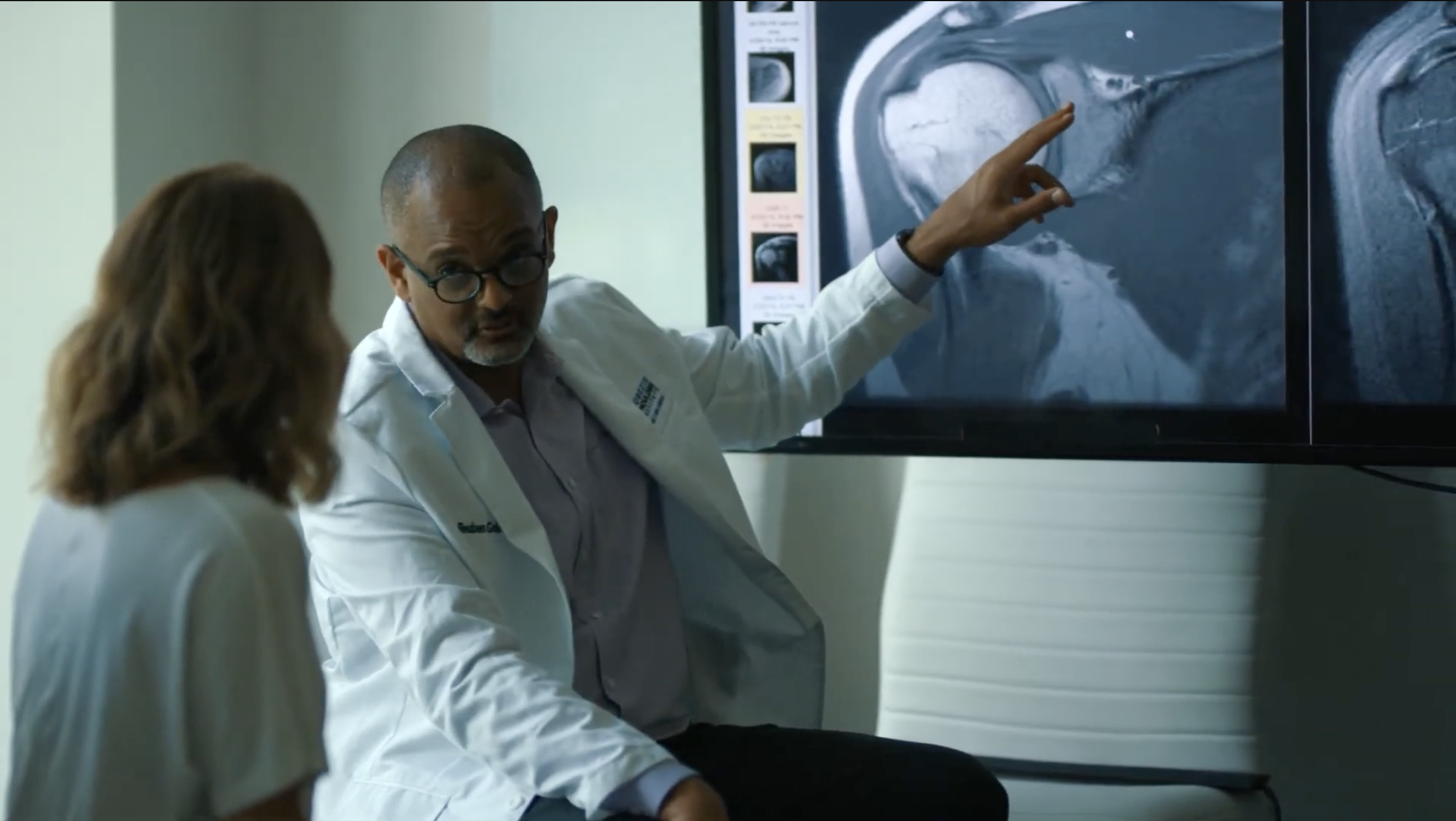
Diagnosis requires comprehensive evaluation combining clinical assessment, laboratory testing, and imaging. History documents joint symptoms including location, pattern, duration of morning stiffness, and systemic symptoms. Family history and risk factors are important. Physical examination identifies swollen tender joints, assesses symmetry of involvement, evaluates range of motion, and looks for extra-articular manifestations including rheumatoid nodules.
Laboratory testing is essential. Rheumatoid factor (RF) is positive in 70-80% of RA patients. Anti-cyclic citrullinated peptide (anti-CCP) antibodies are more specific for RA and indicate aggressive disease. Inflammatory markers including ESR and CRP are typically elevated during active disease. Complete blood count may show anemia of chronic disease. X-rays demonstrate characteristic changes including periarticular osteoporosis, symmetric joint space narrowing, and marginal erosions in established disease. Early disease may show normal X-rays. MRI and ultrasound detect synovitis and erosions earlier than X-rays, useful for early diagnosis and monitoring treatment response. Diagnosis follows established criteria considering multiple clinical and laboratory findings.
What treatment is best for Inflammatory Arthritis?
Treatment requires multidisciplinary approach combining medical management by rheumatologists with orthopedic intervention when needed. Early aggressive treatment prevents irreversible joint damage. Treatment is individualized based on disease severity, joint involvement, and treatment response.
Disease-Modifying Medications
+DMARDs are cornerstone treatment, slowing or halting disease progression. Methotrexate is first-line therapy for most patients. Biologic agents including TNF inhibitors, IL-6 inhibitors, and JAK inhibitors target specific inflammatory pathways for inadequate responders. Early aggressive therapy during the window of opportunity provides best outcomes preventing erosions.
Pain Management and Physical Therapy
+NSAIDs and corticosteroids provide symptomatic relief. Low-dose prednisone bridges therapy until DMARDs take effect. Intra-articular corticosteroid injections target specific inflamed joints. Physical therapy maintains motion and strength, provides joint protection education, and offers assistive devices when needed. Occupational therapy addresses daily activity modifications.
Synovectomy and Joint Preservation
+Persistent synovitis despite optimal medical management may benefit from surgical or arthroscopic synovectomy removing inflamed tissue. This provides pain relief and may slow cartilage destruction. Tenosynovectomy addresses inflamed tendon sheaths preventing rupture. These procedures are most effective early before significant joint destruction occurs.
Joint Reconstruction and Replacement
+Advanced joint destruction with persistent pain and functional limitation despite medical management may require reconstructive surgery. Total joint replacement provides excellent pain relief and function restoration for severely damaged joints. Shoulder replacement, including reverse total shoulder for those with rotator cuff involvement, offers predictable outcomes. Timing considers disease activity, medication management, and infection risk.
Inflammatory Arthritis Treatment in Cleveland, Ohio

Cleveland Shoulder Institute provides comprehensive care for patients with inflammatory arthritis affecting the shoulder and upper extremity. Our fellowship-trained orthopedic surgeons collaborate closely with rheumatologists ensuring coordinated medical and surgical management.
We offer thorough evaluation including physical examination, advanced imaging with MRI and ultrasound detecting early inflammatory changes, and coordination with rheumatology for optimal medical management. Conservative options include targeted corticosteroid injections for symptom relief, physical therapy programs, and joint protection strategies. For cases requiring surgical intervention, we perform synovectomy for persistent inflammation, tendon repairs for ruptures, and joint replacement surgery including anatomic and reverse total shoulder arthroplasty. Our experience managing immunosuppressed patients ensures safe perioperative care. Located in Cleveland with comprehensive resources for complex inflammatory conditions requiring multidisciplinary approach.
Schedule Your ConsultationMeet our Inflammatory Arthritis Team

Dr. Gobezie is a fellowship-trained orthopedic surgeon with expertise treating inflammatory arthritis and its complications. He collaborates closely with rheumatologists ensuring optimal timing of surgical intervention and perioperative medication management. His experience includes synovectomy, reconstructive procedures, and joint replacement in immunosuppressed patients.
Supporting Dr. Gobezie are collaborating rheumatologists managing disease-modifying therapies, specialized physical and occupational therapists understanding inflammatory arthritis challenges, infectious disease specialists when needed for perioperative management, and dedicated medical staff. This multidisciplinary approach ensures comprehensive care addressing both medical disease control and surgical treatment of joint damage. Our team understands inflammatory arthritis significantly impacts quality of life, providing compassionate care focused on preserving function and managing this chronic condition.
What Our Patients Say About Inflammatory Arthritis Treatment
Real experiences from patients managing inflammatory arthritis:
"Living with rheumatoid arthritis for 15 years damaged my shoulder significantly. Dr. Gobezie performed reverse shoulder replacement and the pain relief was immediate. His coordination with my rheumatologist ensured safe surgery despite my medications. Very grateful."
— Patricia H., Cleveland
"Persistent shoulder inflammation despite good medical control was limiting my activities. The arthroscopic synovectomy provided excellent relief. Dr. Gobezie understood the unique challenges of inflammatory arthritis and set realistic expectations. Very pleased with the outcome."
— David M., Lakewood
"The comprehensive approach combining my rheumatologist and orthopedic surgeon was outstanding. They worked together managing my medications around surgery. My shoulder function improved dramatically and I can finally do daily activities without pain."
— Susan R., Westlake
Inflammatory Arthritis Frequently Asked Questions
What is the difference between rheumatoid arthritis and osteoarthritis?
+Rheumatoid arthritis is an autoimmune disease where the immune system attacks joint tissues causing inflammation in multiple joints symmetrically. It causes prolonged morning stiffness and systemic symptoms. Osteoarthritis results from mechanical wear and tear, typically affects weight-bearing joints asymmetrically, and worsens with activity. Treatment differs significantly—RA requires immune-modulating medications while OA focuses on pain management and joint replacement when severe.
Can inflammatory arthritis be cured?
+Currently, inflammatory arthritis cannot be cured but can be effectively managed with modern treatments. Early aggressive therapy with DMARDs and biologic agents can achieve remission—minimal or no disease activity. Many patients maintain good function and quality of life with appropriate treatment. Research continues seeking curative therapies.
When should surgery be considered for inflammatory arthritis?
+Surgery is considered when persistent synovitis fails medical management and causes progressive damage, when joints are severely destroyed causing pain and functional limitation despite optimal medications, when tendons are at risk of rupture from tenosynovitis, or when joint deformity interferes with function. Surgery timing requires coordination between rheumatologist and surgeon considering disease activity and medication management.
Will I need to stop my arthritis medications for surgery?
+Medication management around surgery is individualized. Some DMARDs like methotrexate may be continued while biologic agents are typically held perioperatively to reduce infection risk and allow healing. Your rheumatologist and surgeon collaborate on optimal timing. Modern protocols balance infection risk against disease flare risk. Most patients safely undergo surgery with appropriate medication adjustments.
How does inflammatory arthritis affect surgical outcomes?
+Inflammatory arthritis patients can achieve excellent surgical outcomes with appropriate management. Considerations include increased infection risk from immunosuppression requiring meticulous surgical technique and perioperative antibiotics, bone quality concerns in some patients, slower healing requiring protected rehabilitation, and need for continued medical management post-operatively. Experienced surgeons familiar with inflammatory arthritis achieve results comparable to non-inflammatory patients with proper precautions.