
Common Sports Injury Symptoms & Causes
Sports injury symptoms vary by injury type and location. Acute traumatic injuries present with immediate severe pain at injury site, rapid swelling within hours, visible deformity with fractures or dislocations, inability to bear weight or use the injured limb, instability or giving way sensation with ligament tears, audible pop at injury moment particularly with ACL tears, and immediate functional loss. Athletes typically can identify exact injury moment and mechanism. Chronic overuse injuries present differently with gradual onset pain developing over weeks to months, pain worsening with specific activities and improving with rest, stiffness particularly after inactivity, decreased performance and endurance, localized tenderness with palpation, pain progressing from occurring only during activity to constant pain affecting daily activities, and compensation patterns developing as athletes modify technique to avoid pain.
Common sports injury causes include contact trauma in football, hockey, rugby, and basketball causing ligament tears, fractures, and joint injuries; non-contact pivoting and cutting movements in soccer, basketball, and skiing causing ACL tears; overhead throwing and serving motions in baseball, softball, tennis, and volleyball causing rotator cuff and labral pathology; repetitive running causing stress fractures, tendinopathy, and patellofemoral syndrome; jumping and landing in volleyball and basketball causing patellar tendinopathy and ankle injuries; improper training progression with rapid increases in volume or intensity exceeding tissue adaptation capacity; inadequate recovery between training sessions preventing tissue healing; poor technique and biomechanics creating abnormal stress patterns; muscle imbalances and weakness failing to support joints properly; inadequate warm-up and flexibility increasing injury susceptibility; equipment problems including worn shoes, improper sizing, or inadequate protection; environmental factors including hard surfaces, uneven terrain, or extreme conditions; and previous injuries inadequately rehabilitated creating vulnerability to reinjury.
Schedule Your ConsultationWho's at risk for Sports-Related Injuries?
Multiple factors increase sports injury susceptibility. Understanding risk factors enables targeted prevention strategies:
Training and Competition Factors
+Rapid training progression with volume or intensity increases exceeding 10% weekly dramatically increases injury risk as tissues cannot adapt quickly enough. Inadequate recovery between sessions prevents healing and causes cumulative fatigue. Athletes specializing in single sports year-round without off-season face overuse injury risk from repetitive stress without variation. High competition schedules with insufficient rest between events increase acute and chronic injury rates. Inadequate conditioning and sport-specific training leave athletes unprepared for competition demands. Returning from layoffs too quickly without graduated reconditioning causes injury. Playing through pain and fatigue when body needs rest compounds minor problems into major injuries.
Biomechanical and Physical Factors
+Poor movement mechanics and technique create abnormal stress patterns predisposing to injury. Muscle imbalances with strength discrepancies between opposing muscle groups cause joint instability. Core weakness compromises stability affecting extremity biomechanics. Limited flexibility restricts motion forcing compensation through other joints. Previous injuries inadequately rehabilitated leave residual weakness, limited motion, or altered movement patterns increasing reinjury risk. Anatomic variants including leg length discrepancies, excessive joint laxity, or malalignment affect load distribution. Fatigue degrades neuromuscular control and coordination increasing injury susceptibility during late competition or training.
Age and Developmental Considerations
+Young athletes with open growth plates face unique injury risks including growth plate fractures, apophysitis at tendon attachment sites, and osteochondritis dissecans. Adolescent growth spurts create temporary flexibility limitations and coordination challenges. Young athletes specializing early without diverse movement experiences have injury rates double those participating in multiple sports. Older athletes face degenerative changes, decreased tissue healing capacity, reduced flexibility, and slower recovery requiring modified training. Masters athletes returning to sport after years away often have fitness levels not matching competitive drive creating injury risk.
Equipment and Environmental Factors
+Inadequate or worn equipment including shoes losing cushioning and support increases injury risk. Improper equipment sizing or fit creates abnormal stress. Lack of appropriate protective gear in contact sports allows preventable injuries. Playing surface conditions including hard surfaces, uneven terrain, wet or icy conditions, and artificial turf affect injury rates. Environmental extremes including heat, cold, altitude, and air quality impact performance and injury susceptibility. Poor field or facility maintenance creating hazards contributes to injuries. Inadequate supervision and coaching allowing dangerous techniques or insufficient rest increases risk.
Sports Injury Prevention
Prevention requires comprehensive approach addressing multiple risk factors. Implement proper training progression following the 10% rule—increase training volume or intensity by no more than 10% weekly allowing tissue adaptation. Include adequate recovery with rest days between intense sessions, varying training intensity throughout week, and scheduling off-season breaks. Athletes should participate in multiple sports, particularly during youth development, building diverse movement skills and avoiding year-round repetitive stress. Maintain proper conditioning year-round with strength training, cardiovascular fitness, flexibility work, and sport-specific conditioning. Gradually return to sport after layoffs with progressive reconditioning programs.
Address biomechanical factors through proper technique instruction by qualified coaches, regular video analysis identifying and correcting movement flaws, strength training emphasizing balanced development and core stability, flexibility programs maintaining adequate motion, and neuromuscular training improving coordination and proprioception. Correct muscle imbalances identified through assessment. Athletes with previous injuries require complete rehabilitation ensuring full strength, motion, and function restoration before return to sport. Injury prevention programs including FIFA 11+ for soccer and PEP program for ACL prevention demonstrate significant injury reduction when performed consistently. Use proper equipment including well-fitted shoes replaced regularly, appropriate protective gear for contact sports, sport-specific equipment meeting safety standards, and properly maintained gear. Ensure adequate warm-up before activity including dynamic stretching and progressive intensity. Cool-down and recovery strategies including stretching, foam rolling, adequate sleep, and proper nutrition support tissue healing.
Monitor for warning signs including persistent pain, decreased performance, compensation patterns, and excessive fatigue warranting evaluation and rest before minor problems progress. Create safety-conscious culture with coaches, parents, and athletes prioritizing long-term health over short-term results. Once injury occurs, prevention opportunities have passed—focus shifts to optimal treatment and complete rehabilitation before return to sport preventing reinjury.
How are Sports-Related Injuries Diagnosed?
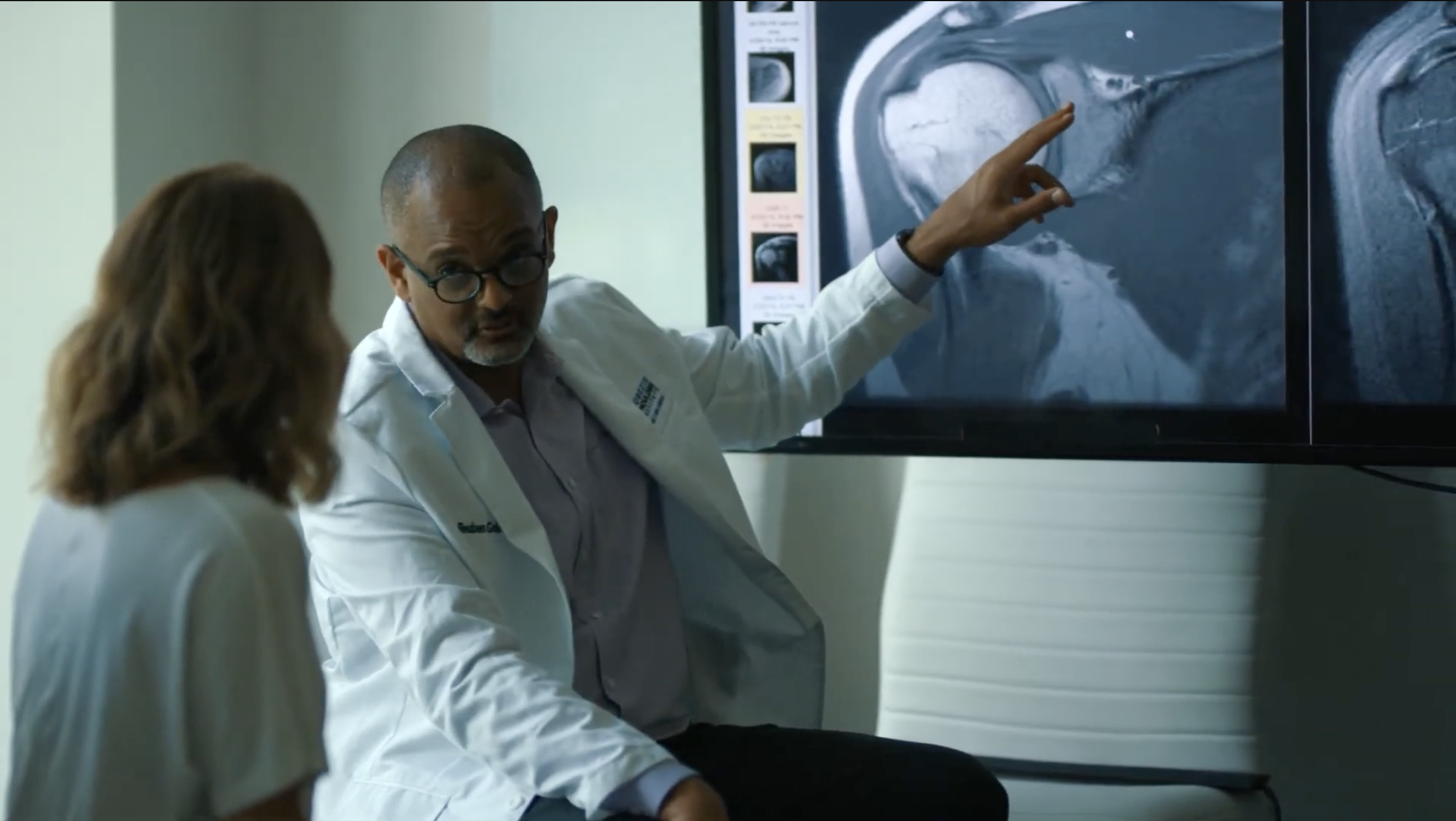
Diagnosis begins with comprehensive history documenting injury mechanism (contact versus non-contact, specific activity when injured), symptom onset (immediate versus gradual), pain location and quality, functional limitations, previous injuries to same area, training history including recent changes in volume or intensity, sport and position demands, competition schedule and season timing, and treatment goals. For acute injuries, immediate assessment on field or court identifies emergencies requiring urgent care including fractures, dislocations, and neurovascular compromise. Physical examination includes inspection for swelling, deformity, or muscle atrophy, palpation localizing tenderness and identifying specific injured structures, range of motion assessment comparing to uninjured side, strength testing, stability testing for ligament integrity, and special tests targeting specific diagnoses. Biomechanical assessment identifies movement dysfunction contributing to injury.
Imaging confirms diagnosis and guides treatment planning. X-rays evaluate fractures, dislocations, alignment abnormalities, and degenerative changes. Stress X-rays assess ligament integrity. MRI provides detailed soft tissue evaluation showing ligament tears including ACL and meniscus injuries, tendon pathology including tears and tendinopathy, cartilage damage, muscle strains, stress fractures (bone marrow edema before fracture line visible on X-ray), and associated injuries. MRI arthrography with intra-articular contrast improves sensitivity for labral tears and cartilage lesions. Ultrasound evaluates superficial structures including tendons and ligaments, guides injections, and allows dynamic assessment during movement. CT scan details complex fractures for surgical planning. Advanced testing for specific situations includes bone scan identifying stress fractures or stress reactions, biomechanical analysis using motion capture and force plates identifying movement abnormalities, and isokinetic testing objectively measuring strength. Serial imaging monitors healing progress and guides return to play timing.
What treatment is best for Sports-Related Injuries?
Treatment depends on injury type and severity, athlete age and competition level, sport demands, season timing, and performance goals. Acute injuries require initial RICE protocol (rest, ice, compression, elevation) minimizing swelling and pain. Treatment is individualized combining conservative management, rehabilitation, and surgery when indicated.
Conservative Management and Rehabilitation
+Many sports injuries heal with conservative treatment. Initial rest or activity modification allows tissue healing while maintaining fitness through alternative activities. Physical therapy is cornerstone of treatment including early motion preventing stiffness, progressive strengthening restoring muscle function, flexibility exercises, proprioceptive and balance training, and sport-specific exercises preparing for return to play. Rehabilitation follows evidence-based protocols progressing through phases from protection and early motion through strengthening to sport-specific training and return to play. NSAIDs manage pain and inflammation. Bracing provides support during healing and return to activity. Injections including corticosteroids for inflammation or platelet-rich plasma for healing augmentation may help select cases. Most muscle strains, minor ligament sprains, and overuse injuries respond to conservative treatment with complete recovery.
Surgical Treatment for Ligament Injuries
+Complete ligament tears in athletes typically require surgical reconstruction for return to cutting and pivoting sports. ACL reconstruction uses autograft or allograft tissue creating new ligament restoring knee stability. Techniques include anatomic single-bundle or double-bundle reconstruction. Shoulder labral repairs for instability or SLAP tears use suture anchors reattaching torn labrum. Ankle ligament reconstruction addresses chronic instability. Surgery timing depends on swelling resolution and motion restoration. Early surgery within weeks suits competitive athletes needing rapid return. Delayed reconstruction allows complete pre-operative rehabilitation optimizing outcomes. Post-operative rehabilitation follows structured protocols typically requiring 6-12 months before full return to sport.
Arthroscopic and Minimally Invasive Techniques
+Most sports surgery is performed arthroscopically using small incisions and camera visualization offering advantages including less tissue trauma, reduced post-operative pain, faster recovery, and earlier return to sport. Arthroscopic procedures treat meniscus tears with repair or partial meniscectomy, cartilage injuries with microfracture or restoration, rotator cuff tears with repair, labral tears with repair or debridement, and removal of loose bodies. Minimally invasive fracture fixation uses small incisions with plates and screws. Arthroscopy allows thorough joint inspection identifying and treating associated injuries. Advanced techniques including all-inside meniscus repair, biologic augmentation, and cartilage restoration improve outcomes.
Return to Play and Reinjury Prevention
+Return to play requires systematic progression ensuring adequate healing, full motion restoration, strength at least 90% of uninjured side, sport-specific conditioning, successful completion of functional testing, and psychological readiness. Objective criteria including isokinetic testing, hop testing, and movement quality assessment guide clearance decisions. Graduated return begins with individual drills progressing to non-contact practice, limited contact, full practice, and finally competition. Protective equipment including braces may support return. Injury prevention programs continue preventing reinjury. Premature return before complete healing and conditioning increases reinjury risk significantly. Most athletes successfully return to pre-injury performance levels with appropriate treatment and rehabilitation. Some severe injuries including multi-ligament knee injuries or high-grade cartilage damage may limit return to highest competition levels.
Sports Injury Treatment in Cleveland, Ohio

Cleveland Shoulder Institute provides comprehensive sports medicine care for athletes of all levels. Our fellowship-trained sports medicine specialists have extensive experience treating the full spectrum of sports injuries from acute trauma to chronic overuse conditions.
We offer complete injury evaluation including detailed history and physical examination, advanced imaging with MRI and ultrasound, biomechanical assessment identifying movement dysfunction, and isokinetic strength testing. Treatment plans are individualized based on injury characteristics, athlete goals, and competition schedule. Conservative management includes evidence-based physical therapy protocols, regenerative medicine options including PRP, activity modification guidance, and performance optimization. We work closely with athletic trainers, physical therapists, and strength coaches ensuring coordinated care. For injuries requiring surgery, we utilize advanced arthroscopic and minimally invasive techniques including ACL and other ligament reconstructions, meniscus and cartilage procedures, rotator cuff and labral repairs, and fracture fixation. Our surgical approach emphasizes tissue preservation and biological healing. Post-operative rehabilitation follows sport-specific protocols optimizing recovery timeline. We provide objective return to play testing ensuring safe clearance. Located in Cleveland serving athletes from youth through professional levels with urgent injury evaluation and comprehensive follow-up.
Schedule Your ConsultationMeet our Sports Medicine Team
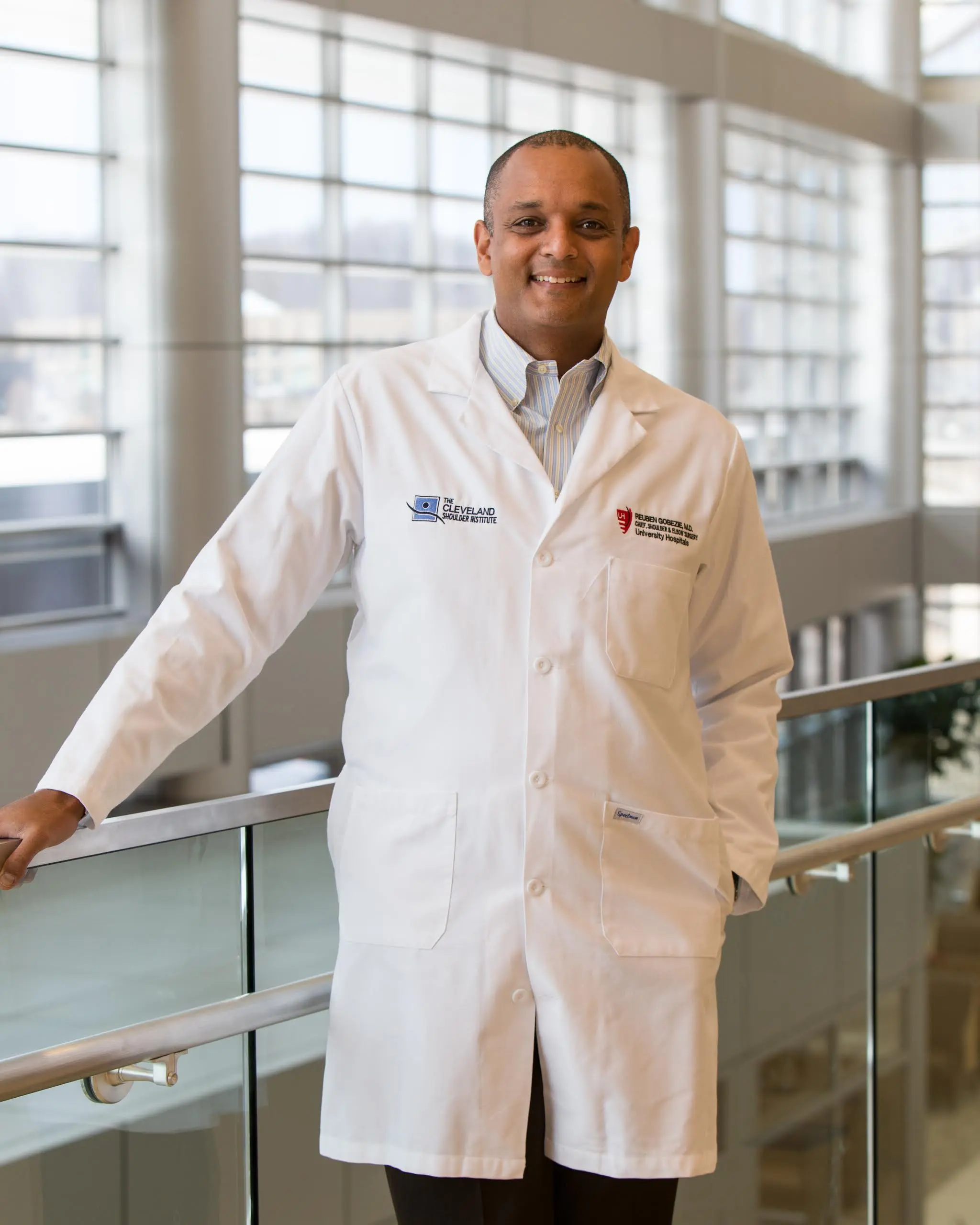
Dr. Gobezie is a fellowship-trained orthopedic surgeon with specialized sports medicine expertise. He has advanced training in arthroscopic surgery, ligament reconstruction, and treatment of athletic injuries. Dr. Gobezie understands athlete mentality and performance demands, working to return athletes to competition safely and efficiently. He stays current through active participation in sports medicine research, teaching commitments, and attendance at specialized conferences.
Supporting Dr. Gobezie are board-certified anesthesiologists, experienced surgical teams trained in arthroscopic techniques, fellowship-trained sports physical therapists understanding sport-specific rehabilitation and return to play progression, certified athletic trainers, strength and conditioning specialists, and dedicated medical staff. This collaborative team approach ensures accurate diagnosis combining clinical examination with advanced imaging, appropriate treatment selection whether conservative or surgical, expert surgical technique when needed, evidence-based rehabilitation following sport-specific protocols, objective return to play assessment, and injury prevention strategies. Our team understands sports injuries significantly impact athletic identity and performance goals, providing expert care while supporting psychological aspects of injury and recovery.
What Our Patients Say About Sports Injury Treatment
Real experiences from athletes who successfully treated sports injuries:
"I tore my ACL playing soccer in college. Dr. Gobezie performed the reconstruction and the rehab protocol was excellent. Nine months later I was back playing at full intensity. His expertise and the structured return to play program gave me confidence. Very grateful for getting my athletic career back on track."
— Marcus Thompson
"Chronic shoulder pain from swimming was limiting my training. Dr. Gobezie diagnosed labral pathology and performed arthroscopic repair. The recovery took patience but his communication throughout was outstanding. I am back swimming competitively now with no limitations. Highly recommend for athletes dealing with overuse injuries."
— Sarah Mitchell
"I sustained a bad ankle injury playing basketball. Dr. Gobezie evaluated it thoroughly and we chose conservative treatment with intensive physical therapy. His sports medicine expertise showed—I recovered fully without surgery and returned to playing within three months. Appreciate his evidence-based approach and focus on getting me back safely."
— James Rodriguez
Sports Injury Frequently Asked Questions
How long does it take to return to sports after injury?
+Return timeline varies dramatically by injury type and severity. Minor muscle strains and ligament sprains may allow return in 2-6 weeks. Moderate injuries requiring rehabilitation typically need 6-12 weeks. Surgical injuries including ACL reconstruction require 6-12 months, meniscus repair 3-6 months, rotator cuff repair 4-6 months. Factors affecting timeline include injury severity, surgical versus conservative treatment, age and healing capacity, rehabilitation compliance, sport demands, and position requirements. Return requires meeting objective criteria not just time elapsed. Premature return before adequate healing significantly increases reinjury risk.
Should I have surgery or try conservative treatment first?
+This depends on injury type, severity, and athletic goals. Some injuries including complete ACL tears in athletes wanting to return to cutting sports typically need surgery. Other injuries including partial ligament tears, meniscus tears in certain patterns, and rotator cuff tendinopathy often respond to conservative treatment. Your surgeon evaluates injury characteristics, athletic demands, competition level and timing, and evidence-based outcomes guiding recommendations. Many athletes successfully return to sport without surgery. Others require surgery for optimal stability and function. Comprehensive evaluation and shared decision-making determine best approach.
What is the risk of reinjury after returning to sports?
+Reinjury risk varies by injury type and return to play management. ACL reconstruction has contralateral injury risk of 10-15% and ipsilateral reinjury risk of 5-10% in first two years. Ankle sprains have high recurrence without proper rehabilitation. Muscle strains recur in 10-30% particularly with premature return. Risk factors for reinjury include premature return before complete healing, inadequate rehabilitation leaving residual weakness or limited motion, not meeting objective return criteria, poor landing mechanics or movement patterns, and not continuing injury prevention exercises. Proper rehabilitation, graduated return to play, objective functional testing, and ongoing prevention programs minimize reinjury risk.
Can I prevent sports injuries?
+While not all injuries are preventable, many can be avoided through proper strategies. Injury prevention programs like FIFA 11+ and PEP program reduce ACL and other injuries by 30-50% when performed consistently. Key prevention strategies include proper training progression without rapid increases, adequate recovery between sessions, strength and flexibility training, neuromuscular and proprioceptive training improving coordination, sport-specific conditioning, proper technique instruction, appropriate equipment, and addressing biomechanical issues. Athletes participating in multiple sports especially during youth development have lower injury rates than single-sport specialists. Complete rehabilitation after injury before return prevents reinjury.
Will this injury affect my long-term athletic career?
+Most athletes return to pre-injury performance levels with appropriate treatment. Success depends on injury severity, treatment quality, rehabilitation compliance, and sport demands. Minor injuries typically heal completely without long-term effects. Major injuries including ACL tears, significant cartilage damage, and multiple ligament injuries may have long-term implications including increased arthritis risk and potentially shortened career length particularly at elite levels. However, with modern surgical techniques and rehabilitation, many professional athletes successfully return to high-level competition after major injuries. Your surgeon discusses realistic expectations based on specific injury and performance goals. Early appropriate treatment and complete rehabilitation optimize long-term outcomes.